How Much Does a Cow Weigh? Your Ultimate Guide to Weights and Meat Yields
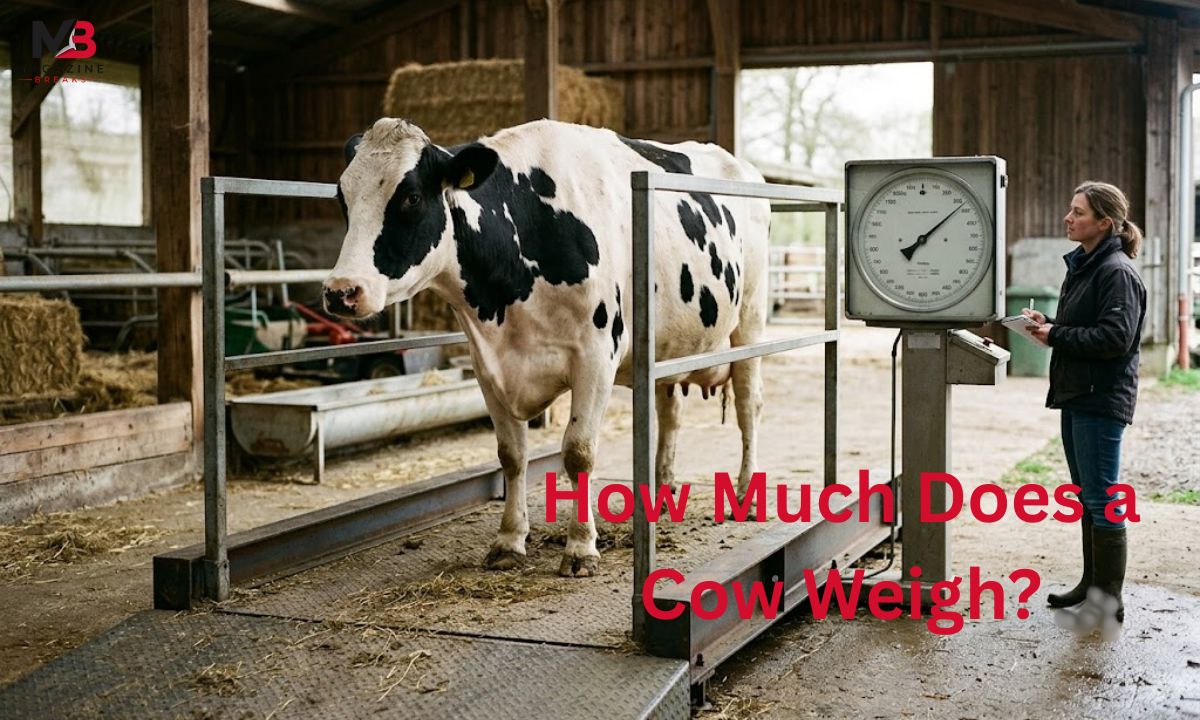
A mature cow weighs between 1,200 and 1,500 pounds (544 to 680 kg) on average. But that number can swing wildly based on breed, age, gender, and diet.
Whether you are buying bulk beef, managing a herd, or just curious after watching a farm video at 2am, this guide breaks it all down in plain English.
How Much Do Cows Weigh on Average?
Most people picture one kind of cow but there are actually hundreds of breeds, and average cow weight varies a lot between them. A typical adult female lands around 1,200 to 1,500 pounds. Bulls push past 2,000 pounds easily.
The heaviest breed you will find is the Chianina cattle, which can tip the scales at 3,500 pounds. On the other end, miniature breeds like the Vechur average just 300 pounds, making them more backyard pet than beef machine.
According to USDA cattle statistics, there are around 86.7 million cattle in the U.S., with average slaughter weights near 1,400 pounds. That number has stayed consistent because of smart breeding programs focused on efficient beef production.
How Much Does a Calf Weigh on Average?
Baby calves are born small but grow fast. Most newborns weigh between 65 and 90 pounds (29 to 41 kg) depending on breed and whether it is a bull or heifer calf.
Newborn calf weight by breed:
- Holstein cow weight at birth: 82 to 143 pounds
- Angus cow weight at birth: 72 to 90 pounds
- Jersey cow weight at birth: 93 to 108 pounds
Within 12 months, a Holstein calf can balloon from 82 pounds to over 800 pounds under good feeding conditions. That kind of cattle growth rate is why proper cattle nutrition matters from day one. A calf that starts weak usually stays behind the rest of the herd.
How Heavy a Dairy Cow on Average?
Dairy cow weight sits a little lighter than beef breeds because these cows are built for milk, not muscle. The typical range runs from 800 to 1,700 pounds (363 to 771 kg).
Holstein cow weight leads the pack among dairy breeds, with females averaging 1,500 to 1,700 pounds. Jersey cows are the smallest dairy breed, usually around 800 to 900 pounds for females.
Here is a quick cattle weight chart for popular dairy breeds:
| Breed | Male Weight | Female Weight |
| Holstein | 1,800 to 2,200 lbs | 1,500 to 1,700 lbs |
| Jersey | 1,300 to 1,500 lbs | 800 to 900 lbs |
| Brown Swiss | Up to 2,000 lbs | 1,300 to 1,400 lbs |
| Guernsey | 1,300 to 1,500 lbs | 1,000 to 1,100 lbs |
Dairy cows need a very specific balance of feed to stay productive without losing too much body weight. Cow feeding practices for dairy herds usually include a mix of forage and grain to keep energy levels high during lactation.
How Much Does a Beef Cow Weigh on Average?
Beef cow weight runs heavier because these animals are bred specifically to pack on muscle. Most beef cattle fall between 1,150 and 2,500 pounds (522 to 1,134 kg) at maturity.
Cattle breed comparison for popular beef breeds:
| Breed | Bull Weight | Female Weight |
| Black Angus | 1,850 to 2,300 lbs | 1,150 to 1,250 lbs |
| Hereford | 1,800 to 1,874 lbs | 1,191 to 1,323 lbs |
| Charolais | 2,204 to 3,638 lbs | 1,543 to 2,646 lbs |
| Texas Longhorn | 1,200 to 1,500 lbs | 900 to 1,200 lbs |
Angus cow weight is the most talked about in commercial circles because Black Angus dominates the U.S. beef market. Farmers love them for their consistent marbling and reliable market weight cattle performance.
Grain-fed cattle reach market weight faster than grass-fed cattle because grain delivers more calories per bite. Both have their place, but the flavor and fat profile are noticeably different on your plate.
How to Calculate Cow Weight in KG and LBS
You do not always have a scale handy out in the field. That is where the heart girth formula comes in, and it is surprisingly accurate for cattle weight estimation.
The standard livestock formula is: Girth squared multiplied by Body Length, then divided by 300.
Both measurements go in inches. Heart girth measurement means wrapping a tape around the chest just behind the front legs. Body length measurement goes from the point of the shoulder to the tail head. This method is a go-to for livestock management when a scale is not available.
Cow Weight Calculator
A livestock weight calculator using the heart girth formula gives you a solid ballpark. It will not replace a certified scale for official records, but for day-to-day herd health monitoring it does the job.
Plug in your numbers and you get an estimated cattle body weight within a reasonable range. Many farmers use this weekly to spot animals that are losing weight before it becomes a serious problem.
What Factors Influence How Much a Cow Weighs?
Age

Calves grow at a wild pace in their first year. Under good conditions, a calf can gain up to 4.5 pounds per day during peak cow growth stages. Full adult size usually comes between 2 and 3 years old depending on the breed.
Gender
Male cattle weight always runs higher than female. Bulls carry more muscle, denser bone, and less fat than steers or cows. A mature bull can outweigh a same-age heifer by 500 to 800 pounds in heavier breeds.
Female cow weight stays lower but plays a bigger role in herd productivity, since cows handle reproduction and, in dairy herds, milk output at the same time.
Breed
Cow breeds and weight vary more than most people expect. Miniature cow weight breeds like the Dexter sit around 600 to 700 pounds, while giants like the Chianina push past 3,000. Cattle size comparison between breeds is the single biggest variable in any weight discussion.
Diet

Grain-fed cattle grow faster and heavier. Grass-fed cattle grow slower but often produce leaner meat with better omega-3 content. Cattle nutrition directly controls how fast an animal reaches market weight cattle status, making feed one of the biggest cost levers in commercial beef farming.
Activity Level
Cows that roam large pastures burn more calories and stay leaner. Feedlot cattle move very little, which accelerates weight gain. This is not a knock on either system, it is just basic energy math that every livestock farming guide covers.
How Much Meat Does a Cow Give?
A 1,200-pound live cow gives you roughly 750 pounds of carcass. That is your live weight vs carcass weight ratio sitting at about 62 to 63 percent. After butchering, beef yield from a cow drops further to around 450 to 500 pounds of take-home cuts.
Cow meat yield breakdown from a 750-pound carcass:
- Chuck: 29 percent (about 217 lbs)
- Round: 22 percent (about 165 lbs)
- Loin: 16 percent (about 120 lbs)
- Rib: 9 percent (about 68 lbs)
- Brisket: 4 percent (about 30 lbs)
Carcass weight percentage depends heavily on how the animal was fed and finished. A well-marbled grain-fed steer will yield differently than a lean grass-finished one.
Amount of Beef You Will Get for Your Freezer
A quarter beef purchase gives you a hanging weight beef of roughly 187 to 190 pounds and around 130 pounds of actual take-home meat. A half cow doubles that.
Freezer beef quantity planning rule: budget about 35 pounds of beef per cubic foot of freezer space. A quarter cow needs 4 to 5 cubic feet and a half cow needs 8 to 10 cubic feet.
Conclusion
Average cow weight lands between 1,200 and 1,500 pounds for most mature cattle, but breed, gender, diet, and age all push that number in different directions. Whether you are tracking herd health, planning a bulk beef buy, or just satisfying some late-night curiosity, now you have the full picture.c

Jack is the creator and author behind Measuremently, a platform focused on measurements, dimensions, and size comparisons. Passionate about making measurements easy to understand, Jack shares practical measurement guides, easy-to-follow comparison articles, and educational content to help readers visualize lengths, weights, heights, and distances with confidence.