How Much Does a Gallon of Water Weigh? US vs Imperial Gallon
Ever picked up a full water jug and thought, “why is this thing so heavy?”
You are not alone.
Whether you are filling an aquarium, planning an RV trip, or just curious, knowing the weight of a gallon of water actually matters more than you think.
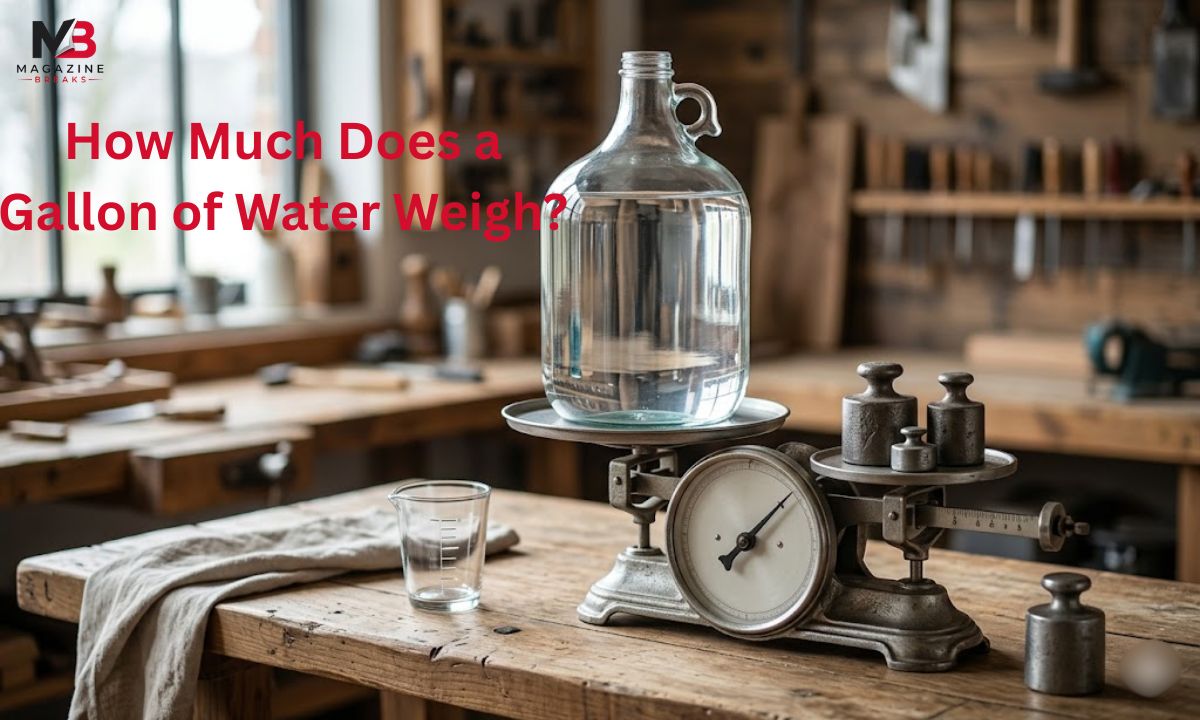
A US gallon of water weighs 8.34 pounds (3.78 kg) at room temperature.
An imperial gallon weighs 10.02 pounds (4.54 kg).
Simple answer, but there is a lot more going on beneath the surface.
Why Water Weight Fluctuates: The Density Factors
Water seems simple, but its water weight shifts based on a few key factors.
Temperature, salt content, and even elevation all play a role.
Once you understand these, the numbers start making a lot more sense.
Water density is the real driver behind weight changes.
Denser water means more mass packed into the same volume.
That is why cold water and saltwater weigh more than warm fresh water.
Why Temperature Creates Small Variations in Water Weight
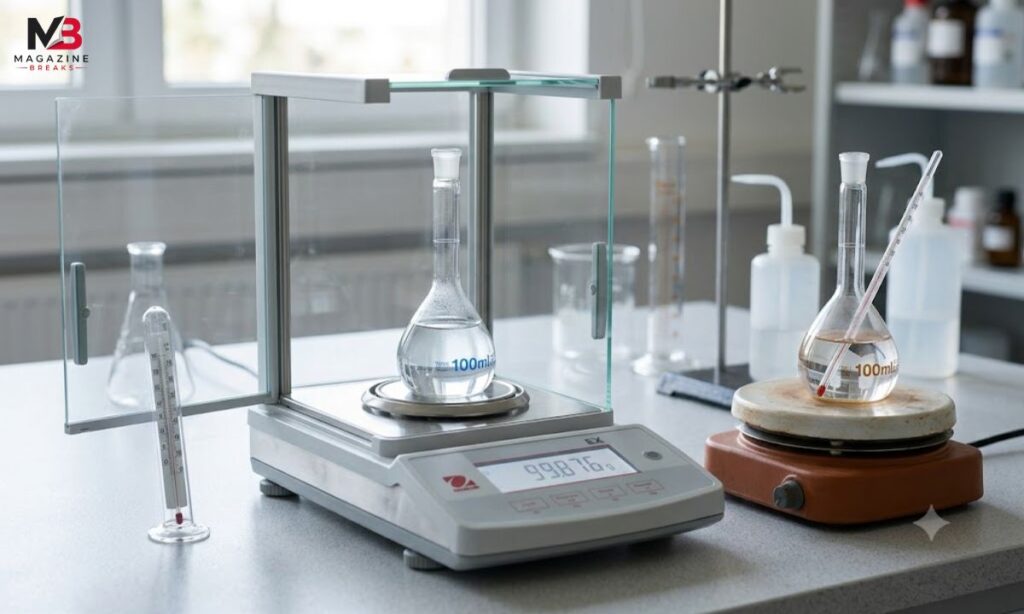
Here is something most people do not know: water is heaviest at 39.2°F (4°C), not at freezing.
At that exact point, water density peaks at 1.000 g/ml, making it the heaviest it will ever be.
As it warms up, molecules spread out and the weight of water per gallon drops slightly.
At boiling point (212°F), a gallon of water weighs only about 7.92 pounds.
That is nearly half a pound lighter than the same gallon at cold temperatures.
For everyday use this does not matter much, but in industrial or scientific settings it really does.
How Gravity, Air Pressure, and Elevation Influence Water Weight
Living at high altitude? Your water weighs just a tiny bit less.
Lower air pressure at elevation means slightly less force acting on the water.
The difference is extremely small, but it exists.
Water mass calculation stays the same wherever you go.
What changes is the gravitational pull, which affects measured weight.
For home use, you will never notice this, but pilots and scientists absolutely do.
Freshwater VS Salt Water
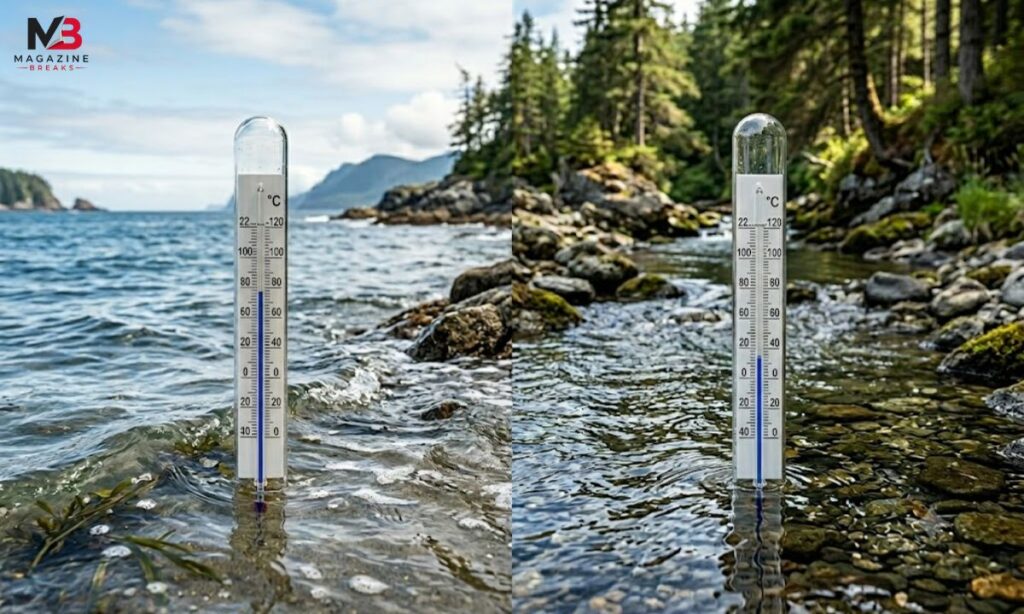
Here is where things get interesting for aquarium water weight fans and boat owners.
Fresh water density sits at about 1.000 g/ml, while salt water density is around 1.025 g/ml.
That small bump in density adds real weight fast.
Saltwater weight comes from dissolved minerals pushing the mass higher.
More salt equals more weight in the same volume.
For water load calculations on boats and reef tanks, this difference is critical.
How Much Does a Gallon of Saltwater Weigh?
One gallon of saltwater weighs about 8.55 pounds (3.88 kg).
That is roughly 0.21 pounds heavier than fresh water per gallon.
Multiply that across a 100-gallon reef tank and you are looking at 21 extra pounds.
Fresh water vs salt water weight may seem small per gallon.
But a 300-gallon saltwater display tank carries about 63 extra pounds compared to fresh water.
Always factor in saltwater weight when building stands or planning floor support.
How Much Does 1 Liter of Water Weigh?
One liter of fresh water weighs almost exactly 1 kilogram (2.2 pounds) at room temperature.
This is why the metric system makes water mass calculation so clean and easy.
No complicated math, just a straight 1:1 ratio.
This liters to gallons conversion trick is super useful for cooking and lab work.
One US gallon equals 3.785 liters, so a gallon of water weight in kg is about 3.78 kg.
Clean, simple, and easy to remember.
How Much Does 500ml of Water Weigh?
500ml of water weighs approximately 500 grams, or about 1.1 pounds.
At room temperature the water density is 0.998 g/ml, so it is nearly a perfect 1:1 ratio.
Cooks and DIYers love this because you can skip the scale for rough measurements.
This is a great example of how water volume and weight link together simply.
Half a liter, half a kilogram, done.
Easy math wins every time.
How Much Does a 16.9 oz Bottle of Water Weigh?
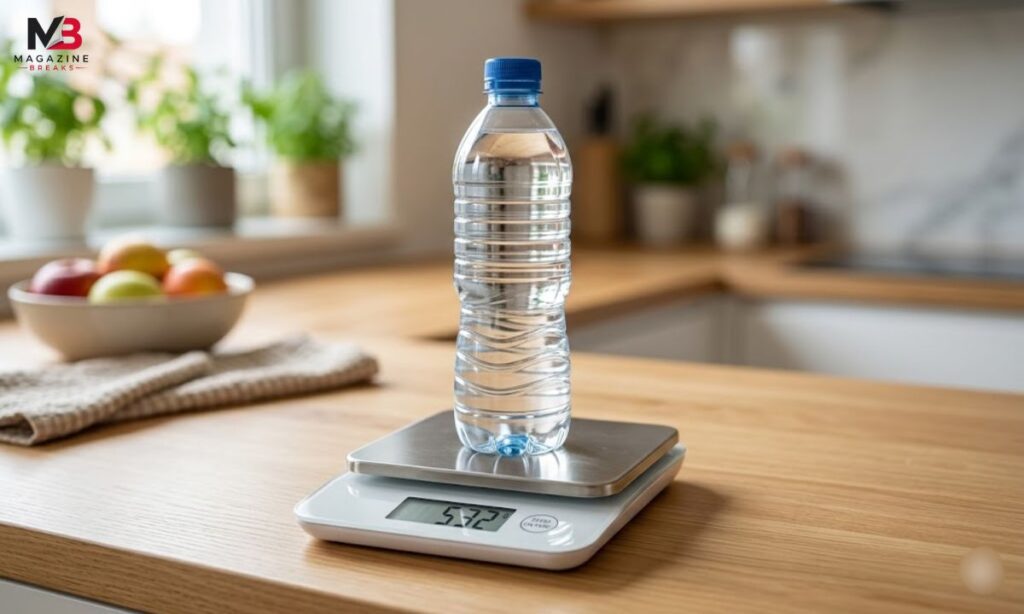
A standard 16.9 fl oz bottle of water weighs about 1.12 pounds (17.95 oz) total.
That includes the water itself at around 1.1 pounds plus the plastic bottle adding about 0.35 oz.
Small but worth knowing when shipping by the case.
The Breakdown: Water vs. Bottle
The liquid inside weighs 17.6 oz by weight.
The plastic bottle adds roughly 0.35 oz on top of that.
Combined, you are carrying just over a pound every time you grab one.
Note: 16.9 fl oz refers to volume, not weight.
Fluid ounces and weight ounces are not the same thing, and mixing them up causes real errors.
Always clarify which unit you are working with when doing water weight for shipping calculations.
US Gallon VS Imperial Gallon

This is where so many DIY projects go sideways.
A US gallon equals 3.785 liters, while an imperial gallon equals 4.546 liters.
That is a 20% difference in volume, which means a 20% difference in weight too.
US gallon weight: 8.34 lbs
Imperial gallon weight: 10.02 lbs
If you follow a UK guide thinking it uses US gallons, your whole calculation falls apart.
How Much Does an Imperial Gallon of Water Weigh?
One imperial gallon of water weighs 10.02 pounds (4.54 kg).
Because the imperial gallon to liters conversion gives you 4.546 liters versus 3.785 for a US gallon, there is simply more water in each imperial gallon.
More water, more weight, simple as that.
Imperial Gallon vs US Gallon Weight Comparison
| Gallon Type | Volume | Weight (lbs) | Weight (kg) |
| US gallon | 3.785 L | 8.34 lbs | 3.78 kg |
| Imperial gallon | 4.546 L | 10.02 lbs | 4.55 kg |
Why the Difference in US and Imperial Gallon Matters?
Transporting 50 imperial gallons means carrying 501 pounds of water.
But 50 US gallons is only 417 pounds.
That 84-pound gap can push a small truck past its safe load limit.
For water weight for shipping, cooking, and fuel storage, using the wrong standard causes real problems.
Always check whether a guide uses US gallon to liters or imperial before you start.
One wrong assumption and your whole project is off.
How Much Does 5 Gallons of Water Weigh?
5 gallons of water weigh about 41.7 pounds (18.9 kg).
Think about those office water cooler jugs, now you know exactly why they feel brutal to lift.
Always bend your knees and get a good grip before hoisting one of those.
How Heavy Is 10 Gallons of Water?
10 gallons of water weigh about 83.4 pounds (37.8 kg).
That is like carrying a grown German Shepherd around.
For camping or emergency storage, a 10-gallon container is about the max most people should lift alone.
How Heavy Is 30 Gallons of Water?

30 gallons of water weigh about 250.2 pounds (113.5 kg).
A full rain barrel or mid-size aquarium hits this mark quickly.
Make sure your floor, stand, or platform is rated for static loads before filling up.
How Much Does 50 Gallons of Water Weigh?
50 gallons of water weigh about 417 pounds (189 kg).
Your average water heater tank holds around 50 gallons, meaning just the water inside weighs this much.
Add the tank itself and you are well past 500 pounds sitting on your floor.
How Much Does 100 Gallons of Water Weigh?
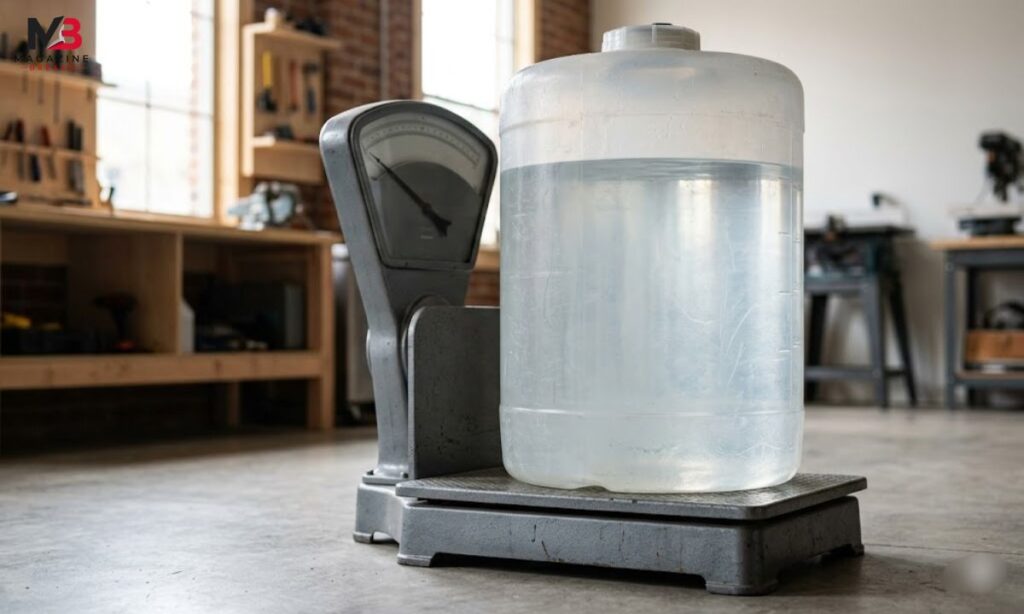
100 gallons of water weigh about 834 pounds (378 kg), close to a small car engine.
A 100-gallon aquarium needs a seriously reinforced stand and a strong floor underneath it.
Never skip the water load calculations at this scale.
How Much Does 250 Gallons of Water Weigh?
250 gallons of water weigh about 2,085 pounds (946 kg), over one full metric ton.
Irrigation tanks and rainwater collection systems often hit this range.
Solid ground support or a reinforced platform is non-negotiable here.
How Much Does 500 Gallons of Water Weigh?
500 gallons of water weigh about 4,170 pounds (1,890 kg), over two metric tons.
At this level, even small errors in water weight per gallon calculations can exceed axle or floor limits.
Always use a water weight calculator or double-check your math before filling large storage tanks.
Real-World Applications: Why This Number Matters
Aquariums and Fish Tanks
A “10-gallon” tank does not weigh just 83 pounds when full.
Add glass, gravel, decorations, and a lid and you are easily at 100 to 120 pounds.
Always check that your furniture is rated for static loads, not just the water weight alone.
RVs, Boats, and Camping
A 40-gallon RV water tank adds 333.6 pounds when full.
That hits your fuel economy, braking distance, and Gross Vehicle Weight Rating (GVWR) hard.
RV water tank weight management is not optional, it is a safety issue.
Backpacking and Survival
Two gallons of emergency water adds over 16 pounds to your pack.
That can be 30 to 40 percent of a typical hiker’s load.
In survival circles, people say “ounces equal pounds, and pounds equal pain,” and they mean it.
How Other Liquids Compare
Water is not the heaviest or the lightest liquid you will carry.
Here is a quick look at water weight comparison against common liquids:
Milk: About 8.6 lbs per gallon due to fats and proteins.
Gasoline: Only about 6.1 lbs per gallon, lighter than water, which is why it floats on spills.
Honey: A heavy hitter at around 12 lbs per gallon thanks to its thick density.
Propane: Very light at about 4.24 lbs per gallon.
Water Density Chart
Water density changes with every degree of temperature.
This matters for weight of water by temperature calculations in labs, engineering, and aquariums.
Here is a clean reference:
Water Density vs. Temperature Chart
| Temperature | Density (g/ml) | Weight per US Gallon |
| 39.2°F / 4°C | 1.00000 | 8.345 lbs |
| 62°F / 16.7°C | 0.99907 | 8.334 lbs |
| 70°F / 21°C | 0.99802 | 8.325 lbs |
| 212°F / 100°C | 0.95865 | 7.996 lbs |
Conclusion
A US gallon of water weighs 8.34 pounds. An imperial gallon weighs 10.02 pounds.
Temperature, salt, and elevation can shift that number, but for everyday use the standard figures work perfectly.
Whether you are filling a tank, planning a camping trip, or managing bulk water storage, knowing your gallon to weight conversion saves you from costly surprises.
Got a question about a specific volume or use case? Drop it in the comments, let’s figure it out together.

Jack is the creator and author behind Measuremently, a platform focused on measurements, dimensions, and size comparisons. Passionate about making measurements easy to understand, Jack shares practical measurement guides, easy-to-follow comparison articles, and educational content to help readers visualize lengths, weights, heights, and distances with confidence.