How Long Is 500 Feet? 22 Common Things That Are 500 ft Long
Ever stood somewhere and wondered, “just how far is 500 feet from here?” You are not alone. Most people hear 500 feet and their brain just goes blank. Is it a short walk? A tall building? A really long pier? The answer is yes to all three, depending on how you look at it.
500 feet is approximately 152.4 meters, 166.67 yards, or about 0.09 miles. That is roughly one and a half football fields laid end to end. Walking it takes about two minutes at a normal pace. Now let’s make this distance feel real with things you actually know.
How Big Is 500 Feet?
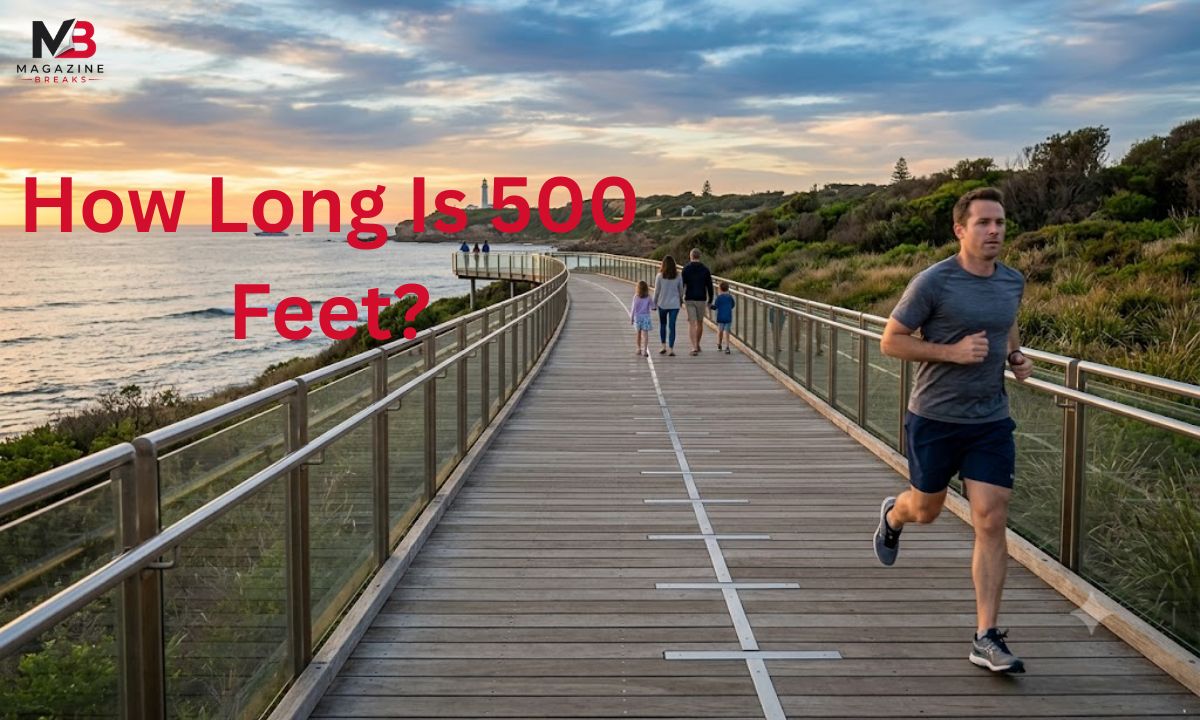
Think about the last time you walked through a big parking lot or across a school campus. That stretch probably felt long but manageable. 500 feet distance feels exactly like that, a space you can see end to end but still respect.
To put it simply, how big is 500 feet comes down to this: it is taller than most city buildings you pass daily and longer than most piers you have fished from. It is the kind of distance where you can still see a person at the other end but cannot make out their face clearly.
How Long Is 500 Feet?
Here is a quick conversion table so you never have to guess again:
| Unit | Value |
| 500 feet in meters | 152.4 m |
| 500 feet in yards | 166.67 yards |
| 500 feet in inches | 6,000 inches |
| 500 feet in miles | 0.0947 miles |
| Walking time | About 2 minutes |
500 ft is one of those measurements that shows up everywhere in real life, from aviation to maritime shipping to urban construction. Once you know it, you start spotting it everywhere.
What Does 500 Feet Look Like?
Picture yourself at the base of a 50-story building and craning your neck upward. That roofline is sitting right around 500 feet height. Now lay that same building on its side and you have got your horizontal distance too.
What does 500 feet look like in open space? Imagine a straight road with no turns. Walk two minutes down it. The spot where you started is now 500 feet behind you. That is the easiest way to feel this distance measurement in your bones without any tools.
Things That Are 500 Feet Long
Seattle’s Space Needle
The Seattle Space Needle stands at 605 feet tall, so it clears 500 feet comfortably. When you are on the observation deck, the ground below is already past that mark. It is one of the most recognizable iconic landmarks in America and a perfect mental yardstick for this distance.
Built for the 1962 World’s Fair, the Space Needle showed the world what bold engineering looks like. Next time you see it in a photo, mentally mark 500 feet up its tower and you will have a locked-in visual distance guide for life.
1.5 Football Fields
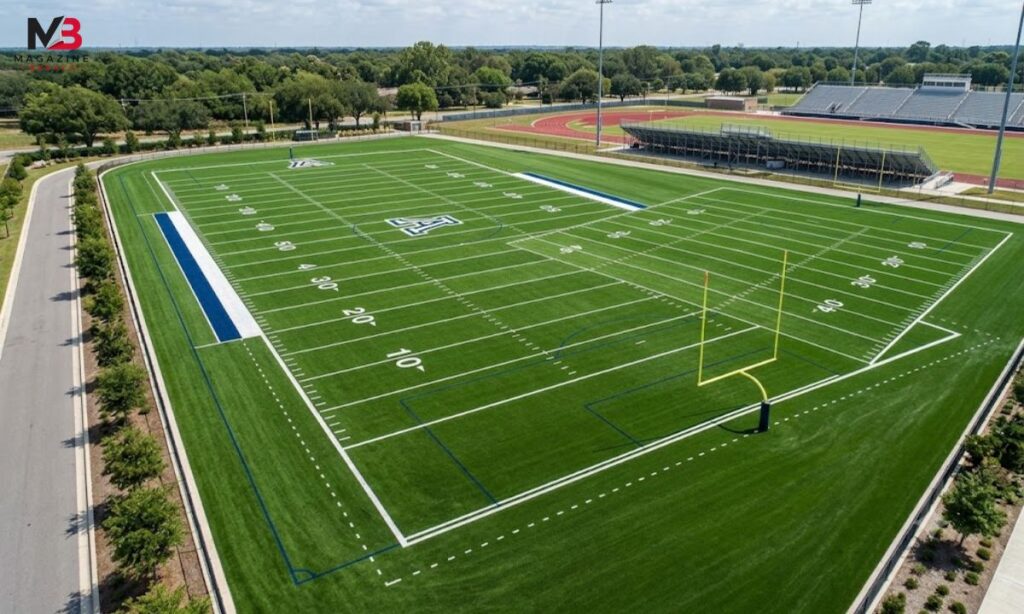
A standard American football field including end zones is 360 feet. So 500 feet long equals about one and a half of those fields placed end to end. If you have ever sat in the bleachers and watched a game, you already have a solid feel for football field length.
Add half a field to that picture in your head and you are at 500 ft. Simple, visual, and something most Americans have personally experienced. This is one of the best real world examples of 500 feet you can use anytime.
5 Blue Whales Lined Up
A single blue whale length averages around 100 feet. Line up five of them nose to tail and you hit exactly 500 feet. That is five of the largest animals ever to exist on Earth forming one massive ruler in the ocean.
It sounds wild but it works perfectly as a 500 feet comparison. These giants make the distance feel both huge and weirdly natural at the same time.
2.5 Ferris Wheels
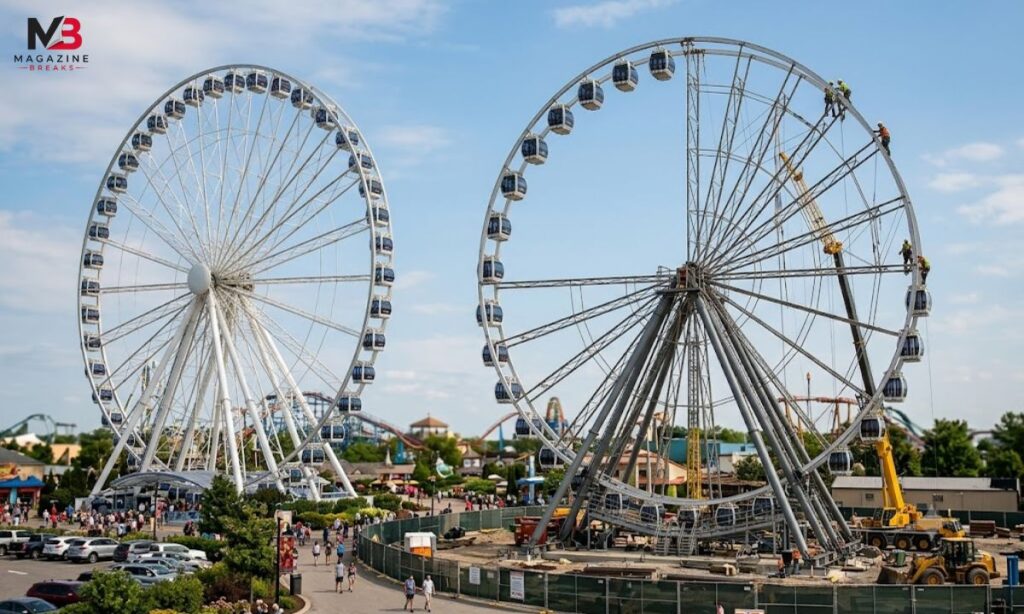
A large permanent Ferris wheel height, like the ones at major amusement parks, typically reaches around 150 to 200 feet. Stack 2.5 of those and you land right at 500 feet. County fair wheels are much shorter, so picture the big landmark ones for this comparison.
Large Cruise Ships
A large cruise ship size often exceeds 1,000 feet. So 500 feet is basically half the length of one of those floating cities. These ships carry thousands of passengers and seeing half of one gives you a real gut sense of 500 feet distance.
Oil Tankers
Smaller oil tanker dimensions fall right around the 500-foot mark. These vessels carry millions of barrels of crude oil across oceans. Knowing that 500 feet long is the size of one of these ships makes the number feel industrial and impressive.
Large Docks and Piers

Dock length and pier length in major U.S. harbors commonly measure between 500 and 1,000 feet. Think of Santa Monica Pier or Navy Pier in Chicago. These are places people walk for fun, fish from, or watch sunsets on, all stretching out about 500 feet over the water.
Seagoing Barge
A typical seagoing barge length runs between 300 and 500 feet. These flat-bottomed vessels haul coal, grain, and gravel through rivers and coastal waterways. At the upper end of their range, they are a spot-on example of things that are 500 feet long in maritime transportation.
Runway Sections and Airport Taxiways

In aviation, runway length segments of 500 ft are standard planning units. Smaller regional aircraft can take off and land safely within this distance under the right conditions. Airport taxiway sections also commonly measure around this length, making it a critical number in aviation safety and ground operations.
Bridges
Many short to mid-range bridge span lengths in the U.S. sit right at 500 feet. You cross these over rivers and creeks without even thinking about it. At highway speeds, that crossing takes about three seconds, which is a fun way to feel how 500 feet passes in real time.
Canyon Depths and Waterfalls
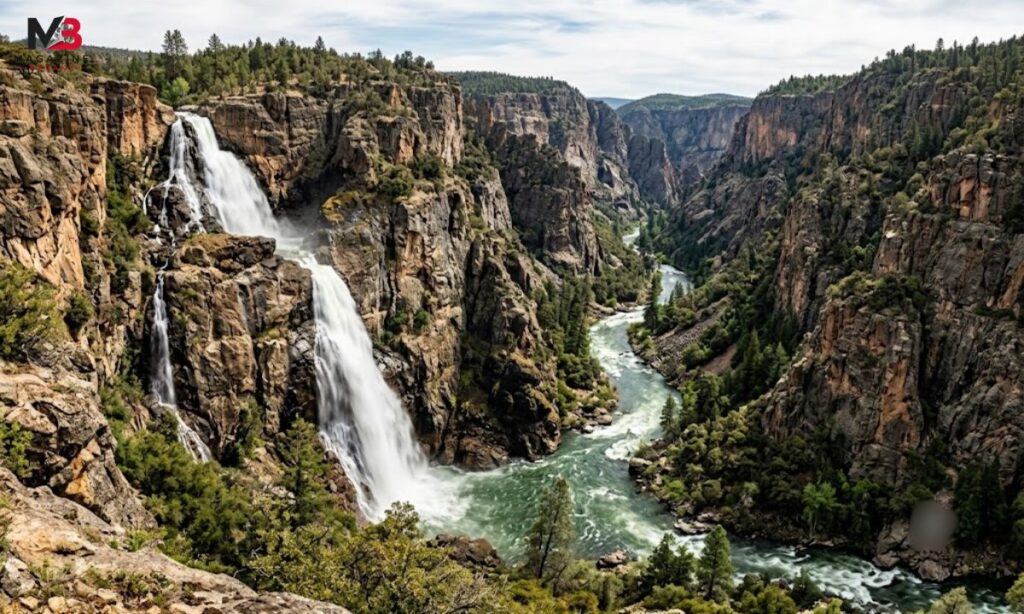
Some smaller canyon drops and waterfall height measurements in the U.S. hit around 500 feet. Certain falls in Yosemite come close to this vertical drop, and standing at the base looking up gives you one of the most dramatic ways to visualize 500 feet in nature.
Stadium Lengths and Office Buildings
Many stadium dimensions, especially baseball parks, stretch close to 500 feet along their longest axis. Similarly, large office building length across sprawling corporate campuses can reach this mark. These are everyday urban planning measurements that architects work with constantly.
Subway Tunnels and Tall Trees
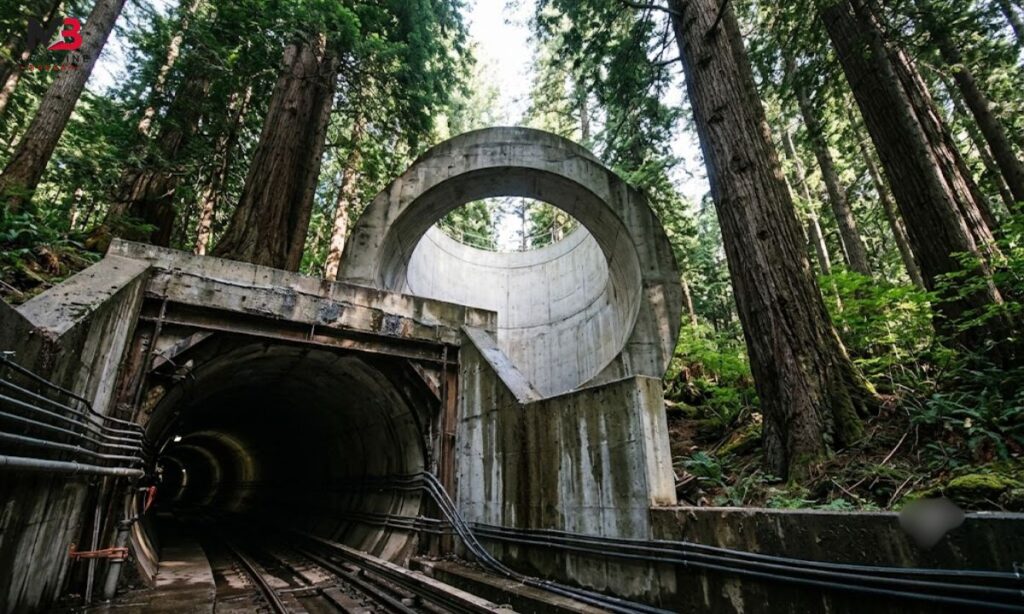
A short subway tunnel section in cities like New York often measures around 500 feet between stations. Meanwhile, the tallest redwood tree height on record sits at about 380 feet, so stacking a bit more on top of the tallest tree gets you to 500 ft. Both examples ground this number in environments people actually move through.
Understanding 500 Feet in Everyday Life
You encounter 500 feet more than you realize. That stretch from the parking lot to the store entrance? Often close to it. The gap between two traffic lights on a busy road? Frequently around 500 feet distance. Once you start noticing, it shows up everywhere.
Walking 500 feet takes about two minutes for most adults. It is short enough to not feel like a workout but long enough to need a moment. For construction measurements and engineering distances, this is a sweet spot that comes up constantly in project planning.
Converting 500 Feet to Other Measurements
Feet to meters conversion is simple: multiply by 0.3048. So 500 feet in meters equals 152.4. For feet to miles conversion, divide by 5,280. That gives you roughly 0.09 miles. These distance conversion numbers matter in global projects where teams mix metric and imperial systems.
Iconic Structures Near 500 Feet
Beyond the Space Needle, several iconic landmarks brush the 500 feet mark. The Washington Monument stands at 555 feet. The Chrysler Building’s roof sits at 925 feet but its famous eagle gargoyles perch near the 500-foot level. These height comparison references make the number feel historically grounded.
Nature’s Version of 500 Feet
Natural landmarks give the best gut-check for 500 feet height. Niagara Falls drops about 167 feet, so imagine three of those stacked. Some coastal cliffs on the Pacific reach 500-foot drops. Standing at the edge of one of these is the fastest way to truly feel how long is 500 feet without any measuring tape involved.
500 Feet in Transportation and Engineering
From maritime transportation vessels to aviation safety buffers, 500 ft is a standard reference in industries that move people and goods. Engineers use it as a baseline in bridge design, tunnel boring, and port layout. It is one of those engineering distances that keeps appearing because it fits naturally into the scale of large infrastructure.
Conclusion
500 feet is not just a number on paper. It is the height that makes buildings feel tall, the length that makes ships feel powerful, and the distance that makes a walk feel worthwhile. From 5 blue whales to half a cruise ship, from canyon walls to subway tunnels, this measurement touches almost every part of daily life.
Now that you have got 22 solid real-life distance examples locked in, you will never scratch your head at 500 ft again. Drop a comment below and tell us which comparison surprised you the most. And if this helped, share it with someone who loves these kinds of mind-bending measurement facts.

Jack is the creator and author behind Measuremently, a platform focused on measurements, dimensions, and size comparisons. Passionate about making measurements easy to understand, Jack shares practical measurement guides, easy-to-follow comparison articles, and educational content to help readers visualize lengths, weights, heights, and distances with confidence.