How Long Is 30 Feet? A Complete Guide with Real-Life Examples
Thirty feet is a distance we encounter more often than we think. It is equal to 10 yards, or about 9 meters, which is a common measurement used in construction, sports, and daily life. Visualizing this length helps us better understand the space and objects around us.
To picture 30 feet, imagine two standard cars parked bumper-to-bumper. A single-story house is also usually around this height from the ground to the roof. By using these everyday items, guessing this distance becomes simple and quick.
How Long Is 30 Feet?
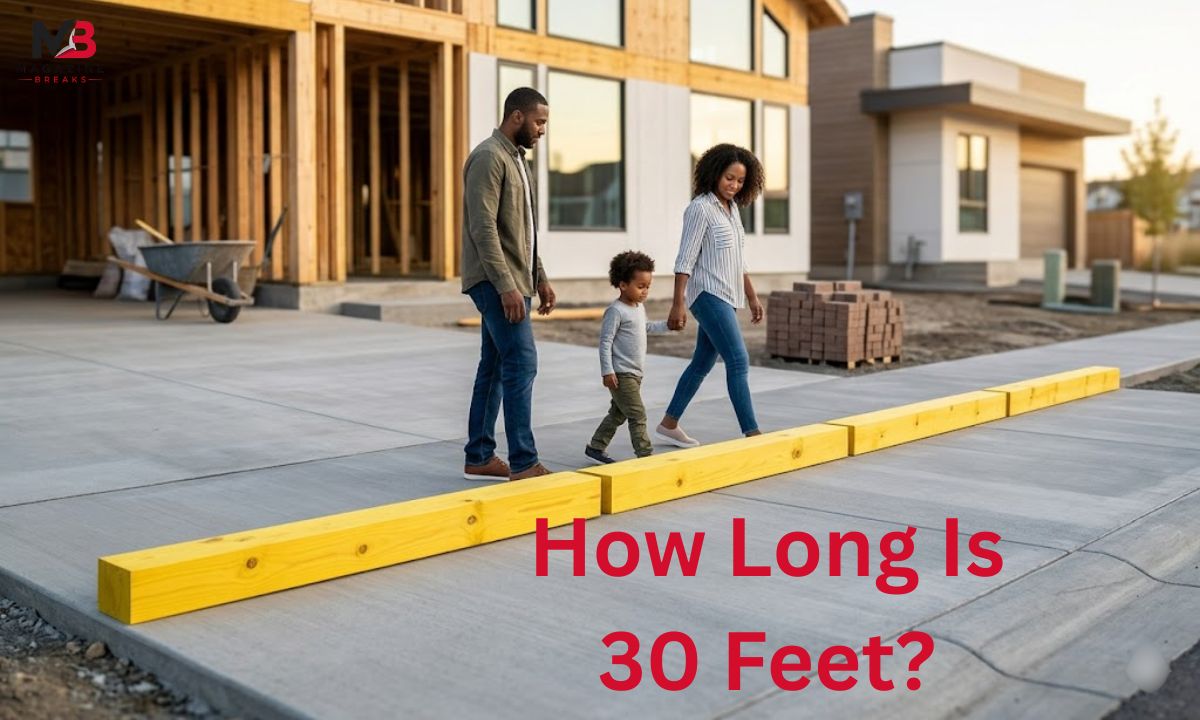
To answer how long is 30 feet instantly, it is exactly 10 yards or 360 inches. This distance is about as long as a standard residential driveway built for two cars.
When you look at 30 feet in real life, you are looking at a space that takes an average adult about 12 steps to walk across. It is a common baseline used for sizing up property lines and vehicle clearances.
30 Feet Measurement Conversion
If you are working with the traditional imperial measurement system, switching between different units is helpful. Having a quick length and distance guide keeps your numbers perfectly straight.
Here is a quick measurement conversion chart to help you swap units instantly. It handles your basic metric conversion needs for blueprints or international projects.
| Unit of Measure | Converted Value from 30 Feet |
| Inches | 30 feet in inches is 360 in |
| Yards | 10 yds |
| Meters | 30 feet in meters is 9.14 m |
| Centimeters | 914.4 cm |
This easy feet to meters conversion shows that 30 feet stops just short of the 10 meter mark. It is a useful tool for tracking real world dimensions without getting tangled up in complex math equations.
Things That Are 30 Feet Long

Finding real 30 feet examples makes it much easier to size up big spaces in your head. Looking at common objects 30 feet long helps build your everyday spatial awareness skills quickly.
We can look at things that are 30 feet long by checking out familiar vehicles and neighborhood structures. This object size comparison turns boring numbers into concrete objects you see every single day.
School Bus
A short transit model or a small community school bus length comes in right at the 30 foot mark. While a traditional full-sized yellow bus is longer, these compact versions match a 30 foot distance perfectly.
When visualizing 30 feet, picture one of these short buses parked outside a local school. It serves as a reliable anchor when you need real life measurement examples out on the road.
Telephone Pole
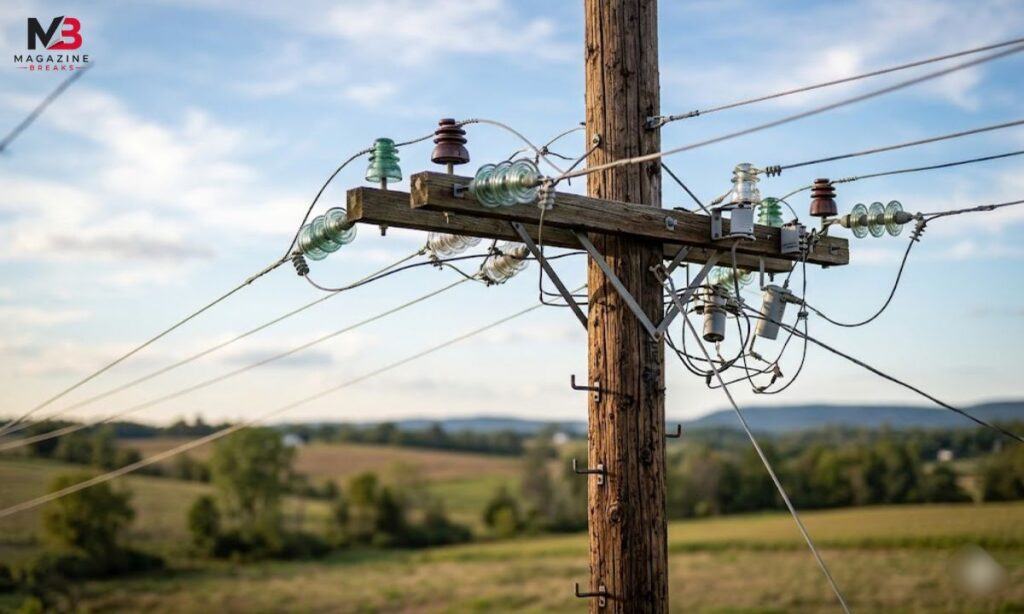
A standard neighborhood telephone pole height usually starts around 30 feet tall before it gets planted. Once workers bury the base in the ground, the visible pole stands a bit shorter.
This is a helpful vertical reference when exploring a 30 feet comparison in your neighborhood. Just picture a brand new utility pole lying flat on the grass before installation.
Limousine
A classic six pack stretch limousine length typically measures close to 30 feet from bumper to bumper. These high-end luxury vehicles are modified to stretch out across multiple standard parking spots.
Seeing one curbside gives a great answer to what does 30 feet look like in traffic. It shows how much metal it takes to give passengers extra legroom and luxury seating.
Shipping Container
While the most common cargo boxes are 20 or 40 feet, a specialized mid-sized shipping container size hits 30 feet. These specific units help transport heavy goods through tight cargo yards and rail systems.
This example gives you a solid industrial anchor for understanding 30 feet in the logistics world. It is a rugged, steel box that neatly fills out a 30 foot measurement scale.
RV (Recreational Vehicle)
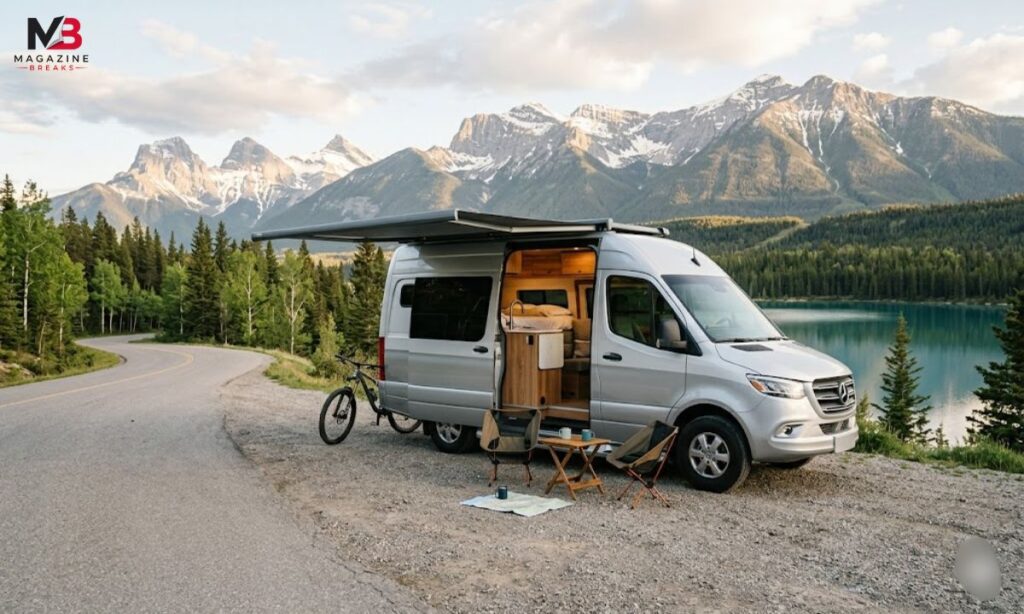
A mid-sized family motorhome or Class A RV dimensions frequently target the 30 foot mark. This specific size gives travelers plenty of living space while remaining legal in most national park campgrounds.
If you want a mobile example of how big is 30 feet, this popular camper size is perfect. It balances highway driving comfort with enough interior room for a kitchen and beds.
Fire Truck
A standard urban rescue pumper or local fire truck length sits right around 30 feet long. This size allows emergency crews to navigate tight city corners while carrying heavy water pumps.
Looking at a pumper truck provides one of the best practical measurement examples available. It shows the real physical footprint needed to hold heavy lifesaving rescue equipment.
Large Crocodile
The largest prehistoric reptiles easily hit 30 feet, even though modern saltwater crocodiles top out near 20 feet. Ancient fossils show that extinct crocodilians reached this massive scale to hunt giant prey.
Using this historical reptile gives you a wild length visualization tool for ancient wildlife. It serves as an exciting backdrop in our comprehensive distance measurement guide.
Wind Turbine Blade
A small commercial green energy wind turbine blade length is often manufactured at exactly 30 feet long. These specific blades are built for distributed power setups on large farms or school campuses.
This example provides an excellent look at everyday size comparisons in modern clean technology. Spinning around in the sky, a single blade covers a full 30 foot distance.
Parade Float
A traditional community parade float size used in local holiday events frequently averages 30 feet long. This footprint gives volunteer builders enough flat space to mount large decorations and displays.
It offers a colorful way to practice your spatial skills during community celebrations. Seeing one roll down the street makes a 30 foot measurement easy to remember.
Why Understanding 30 Feet Matters
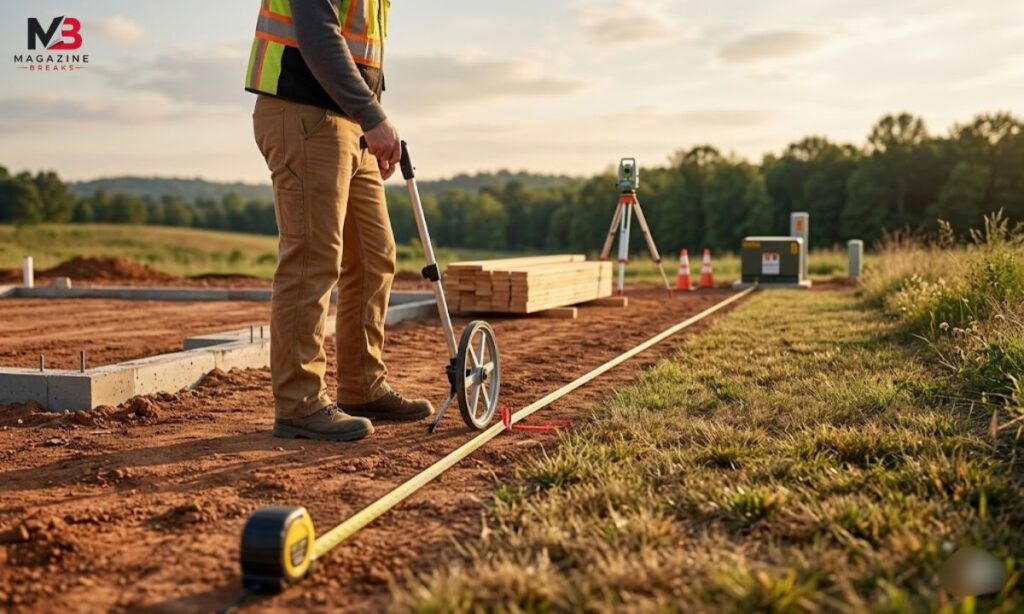
Getting a firm grip on how big is 30 feet keeps you from making mistakes during home projects. It helps you talk clearly with contractors, yard designers, and city permit officers.
This knowledge gives you a personal length and distance guide that stays in your head forever. You will save a lot of time by estimating spaces accurately without pulling out tools.
Understanding the Real Meaning of 30 Feet
This 30 ft explained guide is meant to show you that distance is more than just raw numbers. It is a practical boundary line that defines how we interact with our immediate surroundings.
When you master visualizing 30 feet, you can quickly judge sizes without an active tape measure. It turns confusing building codes into easy concepts you can see instantly.
What Does 30 Feet Look Like in Everyday Life
To see what does 30 feet look like around the house, check your outdoor property lines. Many standard suburban lots use this specific depth for front yard setbacks and public easements.
It also matches the total space of two average family sedans parked inline together. This visual makes it simple to map out large distances right from your front porch.
How Big Is 30 Feet Compared to Human Height
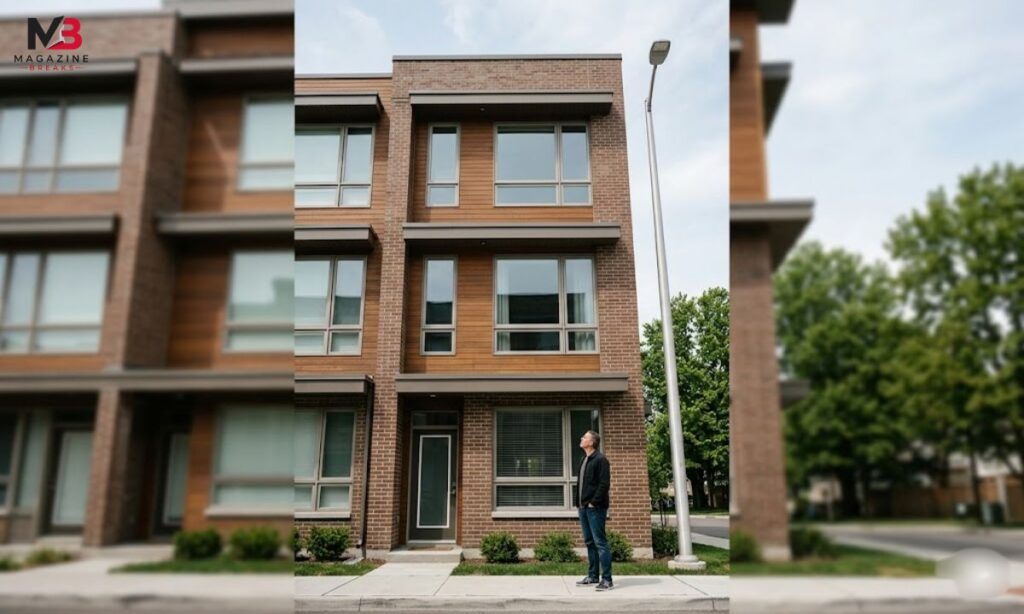
A direct human height comparison shows that 30 feet equals roughly five and a half adults standing tall. If people lay down head to toe in a line, you would need six average adults.
This basic math provides a relatable look at large distances using our own bodies. It breaks down a big 30 foot measurement into familiar, human sized pieces.
Visualizing 30 Feet Using Common Spaces
A standard single car driveway length usually stays close to 30 feet to fit two vehicles easily. Walking from your garage door to the street sidewalk gives you a perfect physical reference.
Inside a home, this distance will easily stretch across two large rooms combined together. It helps you see how a big floor plan fits inside a modern building outline.
Why 30 Feet Is Used in Safety and Design
City engineers use a 30 foot distance as a safety cushion for road intersections and hydrants. This open space guarantees that truck drivers have enough visibility to spot pedestrians clearly.
Many construction measurements rely on this size to set safe gaps between residential structures. It acts as a reliable shield against spreading flames during neighborhood emergencies.
30 Feet in Vehicles and Transportation
Most large vehicle measurements stay near 30 feet to keep them manageable on public roads. This size helps transit systems move plenty of cargo without blocking tight city lanes.
Understanding these vehicle dimensions helps you share local roads safely with big rigs. It explains why large commercial trucks need extra room to complete wide curbside turns.
Natural Examples That Show the Scale of 30 Feet

Nature offers great references, like a mature oak tree branch or a giant squid. These impressive animals and plants show us how a 30 foot distance appears in the wild.
Using these organic examples makes our look at 30 feet in real life much more fun. It connects industrial blueprints back to the living world around us.
Why Knowing 30 Feet Helps in Daily Decisions
Knowing this scale prevents major issues when you order backyard sheds or outdoor pools. It ensures your new patio equipment fits neatly within your actual parking space measurements.
Good spatial awareness lets you plan landscaping projects with total confidence. You can easily spot errors on property sketches before spending money on raw materials.
Conclusion
We hope this distance measurement guide makes estimating 30 feet simple and intuitive. Connecting numbers to real things like utility poles or driveways removes all the confusing guesswork.
The next time you map out a yard project, use these common measurement references to guide your work. Feel free to share your favorite spatial tricks in the comments section below.

Jack is the creator and author behind Measuremently, a platform focused on measurements, dimensions, and size comparisons. Passionate about making measurements easy to understand, Jack shares practical measurement guides, easy-to-follow comparison articles, and educational content to help readers visualize lengths, weights, heights, and distances with confidence.