20 Things That Are 100 Feet (ft) In Length
Most people can guess what one foot looks like, but once you stack up to 100 feet, the picture gets blurry fast. Here is the quick answer before we go deep. 100 feet in length equals 30.48 meters, about 33 yards, or 1,200 inches.
That is roughly the height of a 10 story building, or the length of two school buses parked end to end. Below you will find 20 things that are 100 feet long, explained in plain words with real examples you can picture right now.
What Measures 100 Feet in Length?
Feet are an imperial measurement, and they only make sense once you attach them to something real. That is exactly what this list does. Every item below is a genuine 100 foot object, checked against real specs, not rounded guesses. Think of this as your object size guide for the number 100. Buildings, animals, sports fields, and vehicles all make an appearance. By the end, you will never look at a football field or a whale the same way again.
1. A 10 Story Building

Most office floors run close to 10 feet tall, so a 10-story building height lands right around 100 feet.
Next time you pass a mid size apartment block, look up. That is your 100 foot mark, standing straight in front of you.
2. One Third of a Football Field
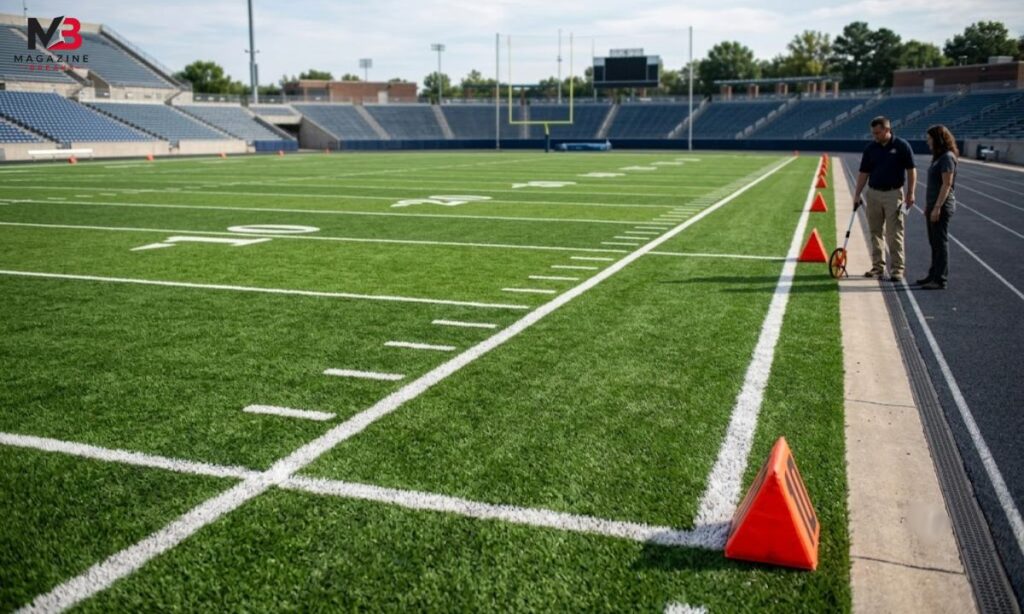
An American football field runs 300 feet from end zone to end zone.
Split that into three even chunks, and one-third of a football field gives you exactly 100 feet. Easy math, easy visual.
3. Two School Buses Parked End to End
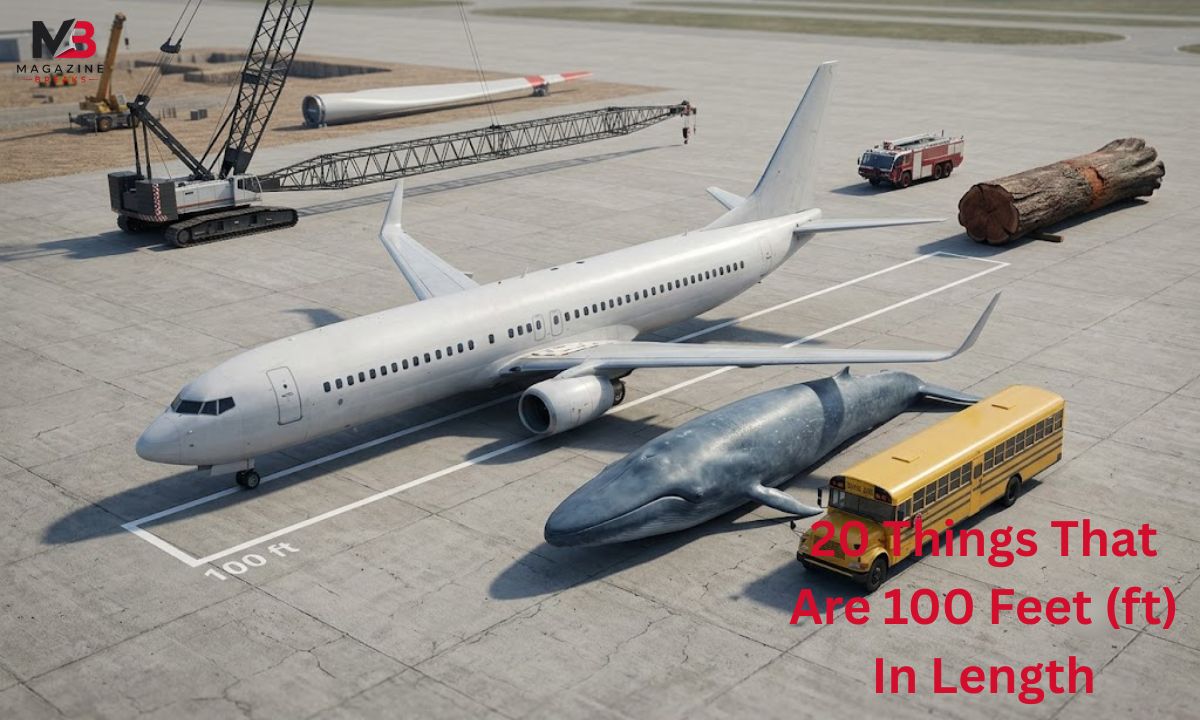
A standard school bus length is about 45 feet.
Line up two of them nose to tail and you land almost exactly on 100 feet. Picture your old school pickup line, doubled.
4. A Large Oak Tree
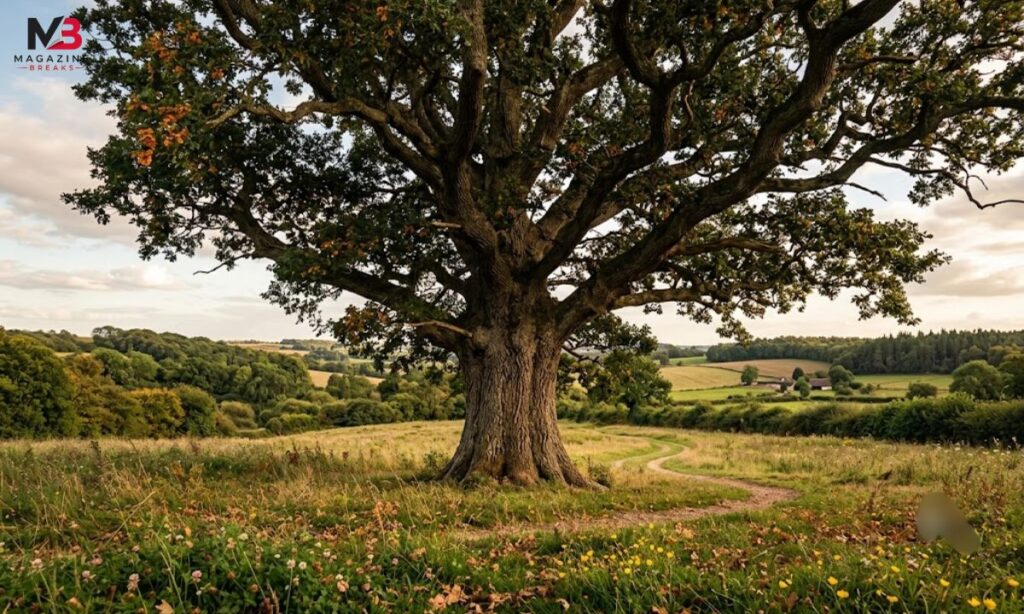
Mature oak trees often reach 80 to 100 feet tall.
That towering oak tree height you see in a park has likely been growing for over a century to get there.
5. A Blue Whale
The blue whale length can stretch close to 100 feet, making it the longest animal alive today.
That is roughly the same length as three school buses, gliding silently through open ocean water.
6. The Boeing 737 500

The Boeing 737-500 dimensions put this aircraft at about 101 feet long, nose to tail.
It is a shorter member of the 737 family, built for quick regional hops rather than long haul flights.
7. 20x The Heart of a Blue Whale
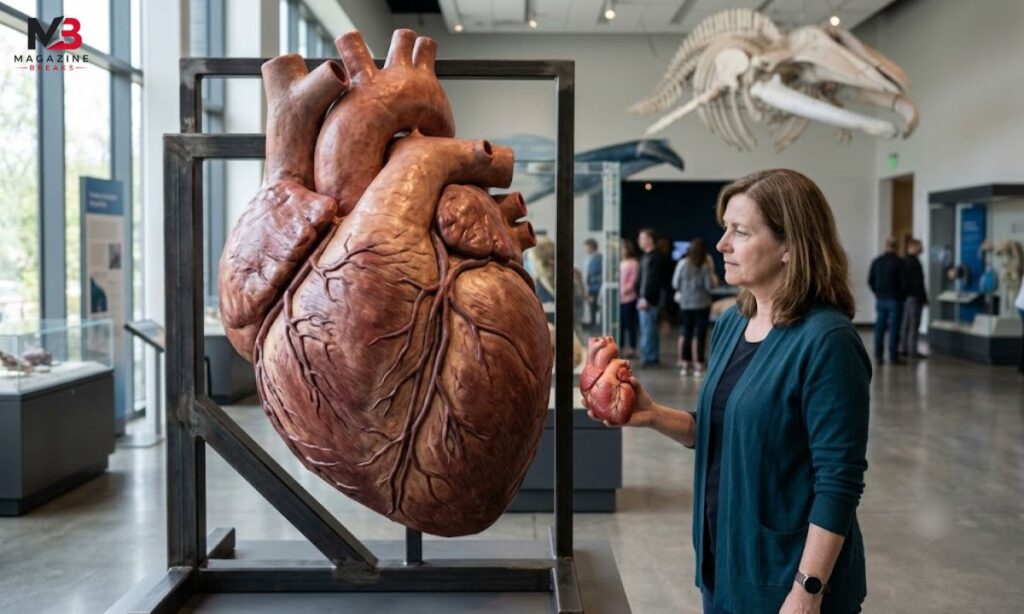
A blue whale heart weighs close to 400 pounds and measures about 5 feet across.
Line up 20 of these massive whale heart organs and you would hit the 100 foot mark, heartbeat after heartbeat.
8. Alligators
Alligator size typically runs around 10 to 13 feet for a large adult.
Line up 10 alligators nose to tail and you get close to 100 feet, a reptile lineup nobody wants to meet in person.
9. 10x Kayaks
A standard recreational kayak length sits around 10 feet.
Line up 10 kayaks side by side on the shore, and that stretch of boats covers 100 feet of beach.
10. The Eastern Cottonwood Tree
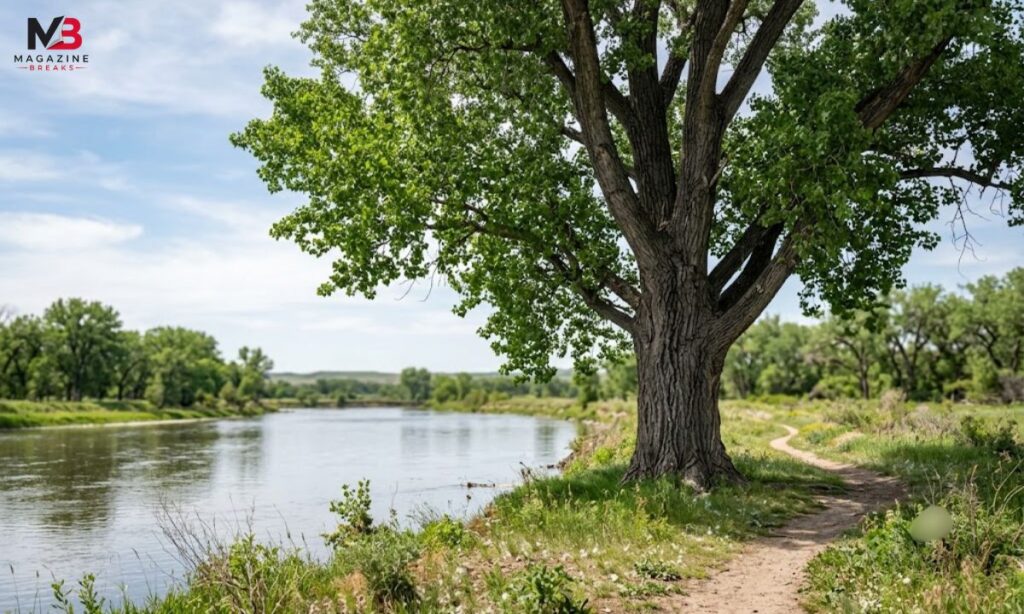
The Eastern Cottonwood tree is a fast growing native species that can reach 100 feet in height.
It grows quickly, offers shade fast, and gives birds a tall home in just a few decades.
11. A Small Rope Bridge or Zipline
Many adventure park zipline length runs from 80 to 120 feet, with 100 feet being a common sweet spot.
A rope bridge span of that size is long enough to feel thrilling, short enough to still see both sides clearly.
12. A Hockey Rink Width

A standard NHL hockey rink width is 85 feet, while international and Olympic rinks stretch closer to 100 feet.
So depending on where the game is played, that 100 foot width might be exactly what the players are skating across.
13. A Basketball Court
An NBA basketball court length runs 94 feet, with a few extra feet of buffer space behind each basket.
Add that buffer in, and the full playing area often stretches close to the 100 foot line.
14. 10 Basketball Hoops
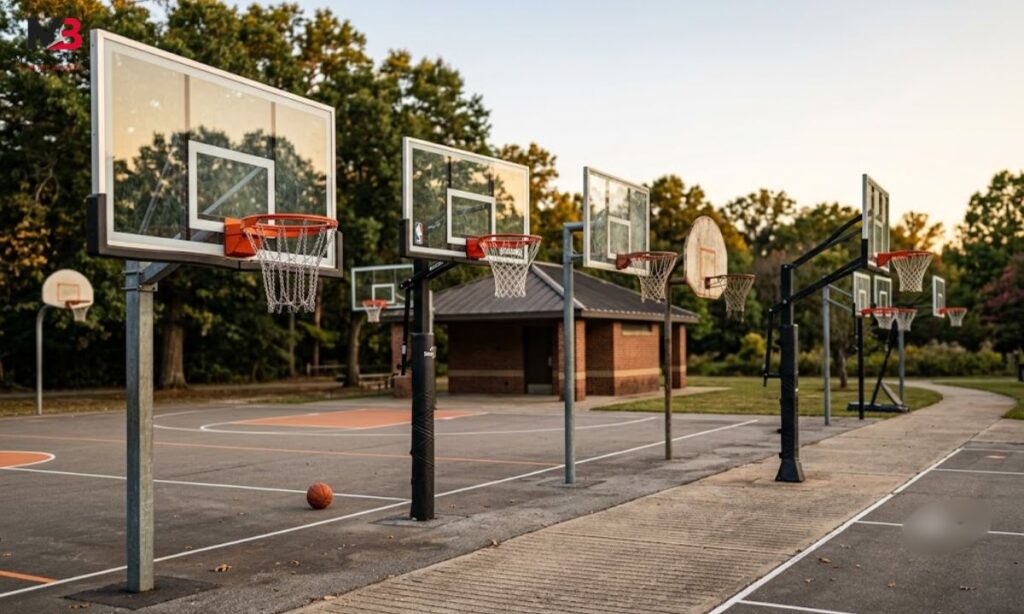
A basketball hoop sits exactly 10 feet off the ground, no exceptions, from youth leagues to the NBA.
Stack 10 hoops on top of each other and you would tower 100 feet into the sky.
15. Twice The Hollywood Sign
The famous Hollywood Sign height measures 45 feet from base to top of each letter.
Double that and you land close to 90 feet, just shy of the full 100 foot mark, but still a giant in the hills.
16. Just Over Half an Olympic Swimming Pool
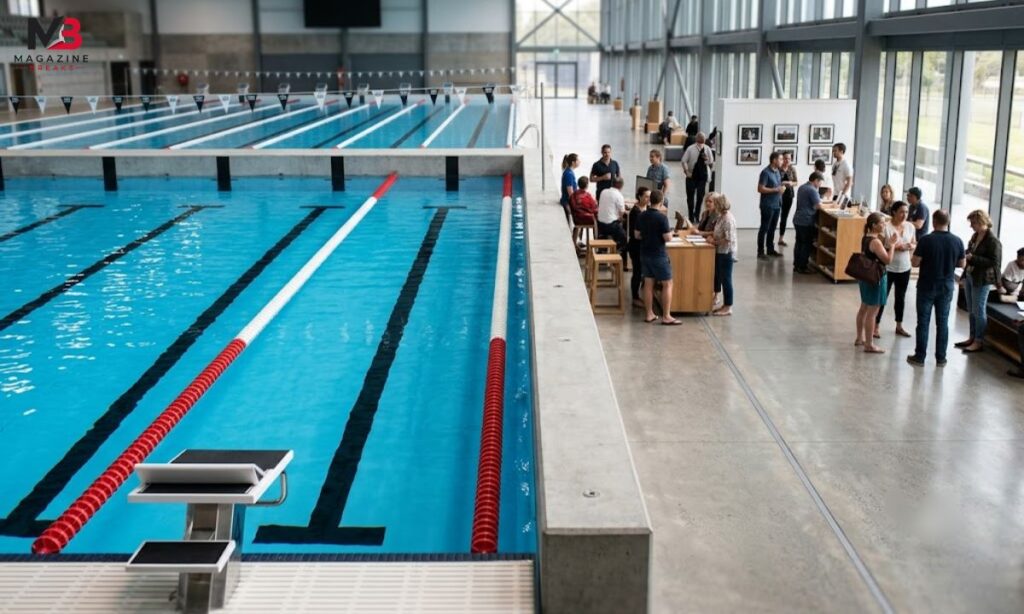
An Olympic swimming pool size runs 50 meters long, which is about 164 feet.
100 feet covers a little more than half that pool, roughly 6 out of every 10 meters of lane.
17. Two Semi Trailers
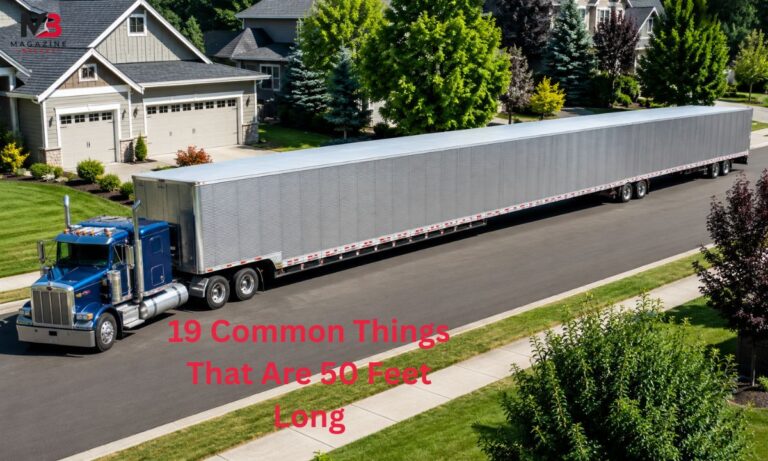
A standard semi trailer length is about 48 to 53 feet.
Park two of them end to end and you are staring at close to 100 feet of steel and cargo space.
18. 1.5 Cricket Pitches
A cricket pitch length is fixed at 66 feet between the wickets.
One and a half pitches laid end to end gets you to about 99 feet, close enough to call it a full 100.
19. Just Over One and a Half Bowling Lanes
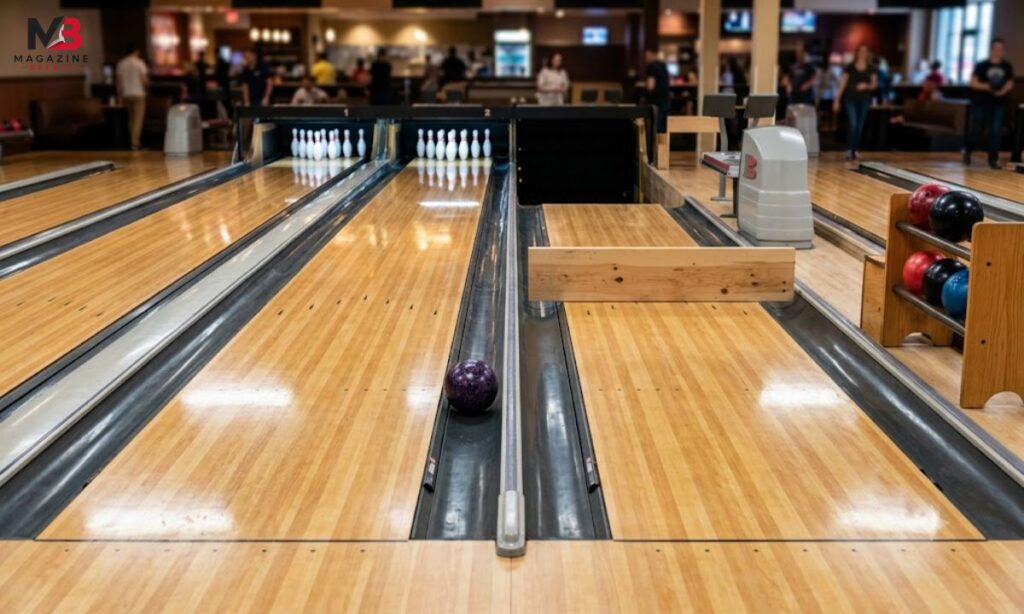
A bowling lane dimensions chart shows 60 feet from foul line to headpin.
100 feet works out to about one and two thirds lanes, so picture your ball rolling well past a second lane’s halfway mark.
20. How Tall is 100 Feet
Turn any of these length examples on their side and you get height instead of distance.
A 100 feet tall structure is about the same as a 10 story building, a mature oak tree, or a full grown blue whale standing on its tail.
How Long is 100 Feet to Walk?
Walking 100 feet takes less time than most people expect.
At an average walking pace of 3 miles per hour, covering 100 feet takes about 23 seconds. Brisk walkers can shave that down closer to 17 seconds.
Here is a distance estimation guide based on walking speed.
- Slow walk (2 mph): about 34 seconds
- Average walk (3 mph): about 23 seconds
- Brisk walk (3.5 mph): about 20 seconds
- Fast walk (4 mph): about 17 seconds
- Very fast walk (5 mph): about 14 seconds
So next time someone says “just walk 100 feet down the hall,” you now know that is barely half a minute of your day.
Feet to Meters, Yards, and More
If you need a measurement conversion chart for 100 feet, here it is in one place.
- Meters: 30.48 m
- Yards: 33.33 yards
- Kilometers: 0.03048 km
- Inches: 1,200 inches
- Centimeters: 3,048 cm
This feet to meters and feet to yards conversion comes up constantly in construction, sports, and travel, so it helps to keep it handy.
Why Do We Still Use the Foot?
The foot has stuck around because it is a human scale unit, built on the rough size of an actual human foot.
Construction measurements, sports field dimensions, and everyday building plans in the US all still lean on feet because the numbers feel natural to picture. Nobody eyeballs a room and thinks in meters first.
Builders, coaches, and pilots all use feet daily because it keeps measurements grounded in something people can actually sense, without pulling out a calculator every time.
Conclusion
100 feet stops being just a number once you attach it to something real, like a whale, a bus lineup, or a bowling lane. These real-life examples of 100 feet turn an abstract measurement into something you can picture in seconds.
Next time someone throws out “100 feet” in conversation, you will already know exactly how far, how tall, or how wide that really is.

Jack is the creator and author behind Measuremently, a platform focused on measurements, dimensions, and size comparisons. Passionate about making measurements easy to understand, Jack shares practical measurement guides, easy-to-follow comparison articles, and educational content to help readers visualize lengths, weights, heights, and distances with confidence.