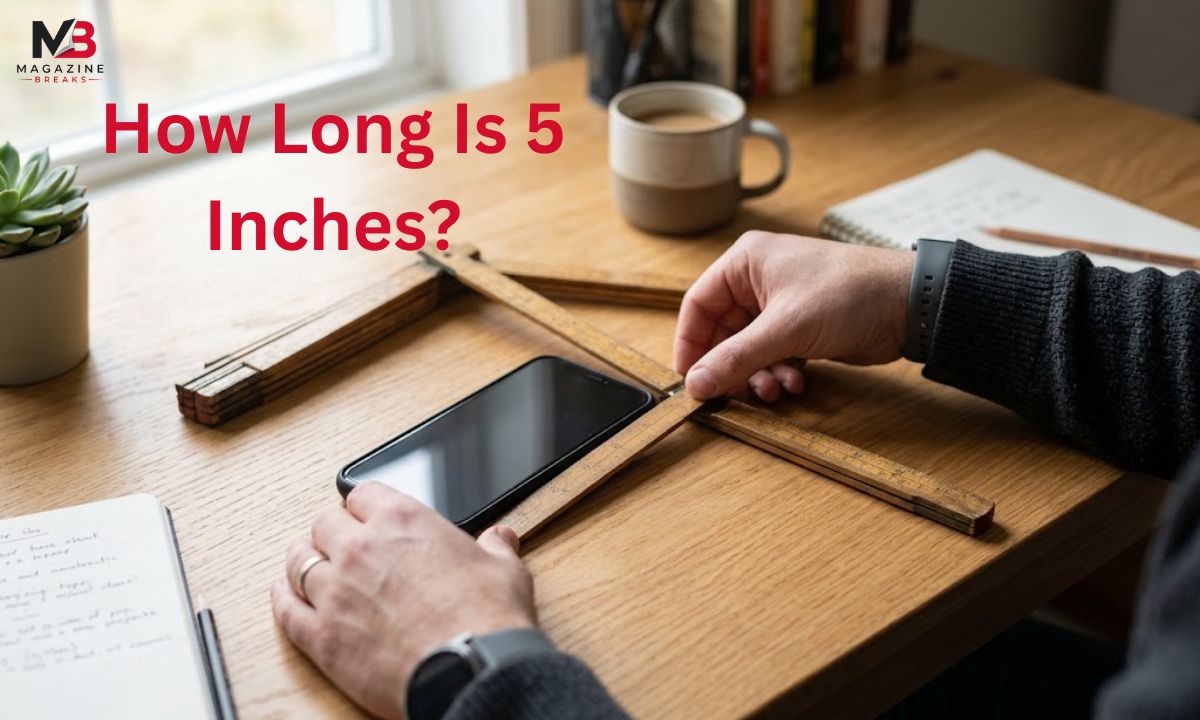
How Long Is 5 Inches? 15 Common Things That Are 5 Inches Long
5 inches equals 12.7 cm, or 127 millimeters, or about 0.42 feet, or 0.127 meters. But numbers alone don’t help much when you’re trying to picture something in real life.
So let’s make this simple. We will use everyday size comparison to help you actually see 5 inches, not just read a number.
Quick Reference: Things That Are ~5 Inches Long
A compact smartphone size, a mini stapler size, and a small notepad dimensions all land close to 5 inches. So does a compact ruler, which is often made to be exactly that length.
A jewelry pouch size and a coin purse size sit right around 5 inches too, give or take a little depending on the style.
Home items follow the same pattern. A small picture frame size, a decorative hourglass size, and a desktop alarm clock size usually measure close to this mark, along with a soap dish dimensions in a small bathroom.
A yoga block width actually runs closer to 4 inches, just a touch under, and a long framing nail can stretch to a full 5 inches. This gives you a solid measurement reference before we dig deeper into the full list.
Understanding 5 Inches Through Everyday Thinking
Five inches sits in an odd spot. It’s not big enough to notice right away, but it’s not small enough to ignore either.
Your brain doesn’t naturally think in inch to centimeter conversion. It thinks in things it already knows, like a phone, a wallet, or a hand.
That’s why real life size comparison works so much better than plain numbers on a page.
15 Common Things That Are 5 Inches Long (Or Close Enough)
Here is your full visual measurement guide, grouped so it’s easy to follow.
Everyday Objects That Quietly Measure Up

A compact smartphone size often lands close to 5 inches tall, especially older or smaller models. A small notepad dimensions you toss in a bag usually sits right around this mark too. Stack a few square Post it notes together and the pile can reach close to 5 inches thick on its own.
Office and Desk Companions
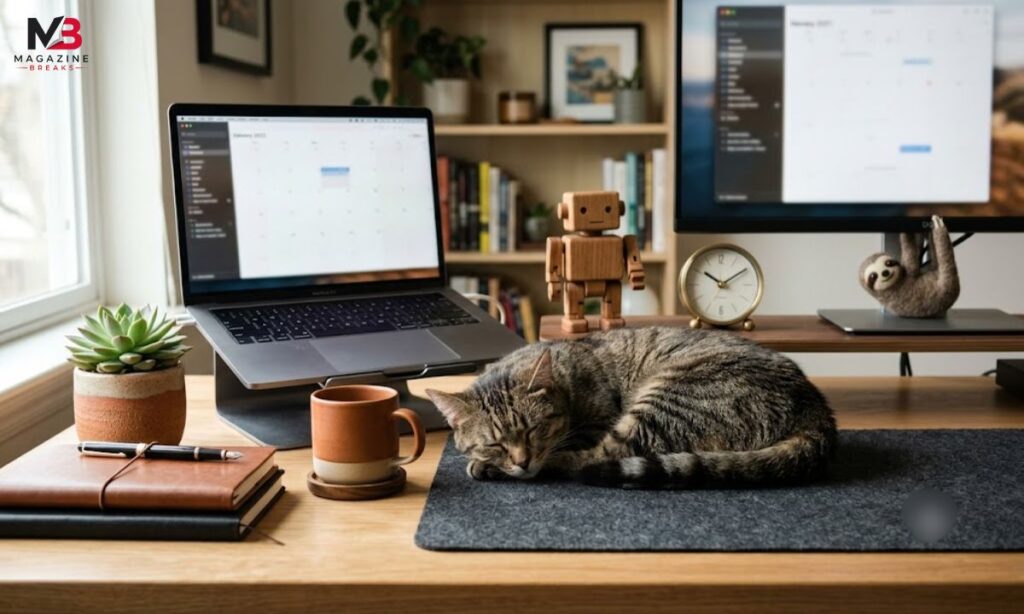
A mini stapler size is usually chunky but short, landing near 5 inches long. A compact ruler is often built to be exactly 5 inches, so that one is easy to remember. A glass paperweight sitting on a desk works as another handy size reference object.
Home and Decor Items

A small picture frame size made for a desk photo often measures close to 5 inches. A decorative hourglass size looks tiny but usually fits this range too. A desktop alarm clock size, especially the old school square kind, tends to land near 5 inches wide.
Personal and Travel Essentials

A coin purse size stretches close to 5 inches once it’s full of change, and a jewelry pouch size, the soft velvet kind, is built around this length so small items don’t get lost. Both make great travel items 5 inches long since they slide into any bag corner.
A Few Unexpected Ones
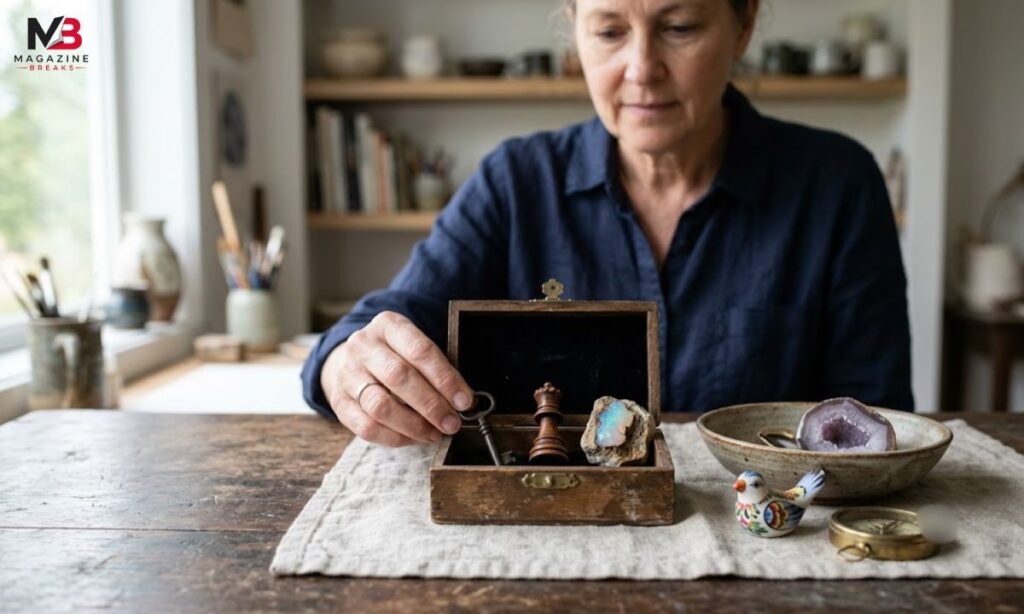
A yoga block width actually runs closer to 4 inches, so it’s just a touch under 5, worth knowing before you shop for one. A long framing nail can stretch to 5 inches, and even a soap dish dimensions in a small bathroom often lands right in this zone.
What Does 5 Inches Look Like Visually?
Stretch your hand out flat. From the base of your palm to about the middle of your fingers is close to 5 inches for many adults, a handy hand size comparison you can use anywhere.
Or picture your phone screen, not the whole device, just the screen height on smaller models. That mental picture is your fastest way to visualize 5 inches without pulling out a ruler.
How Long Is 5 Inches Width
Width trips people up more than length does. When something is 5 inches wide, picture it sideways, like the short edge of a small notebook or the width of your palm with fingers held together.
This kind of 5 inch measurement shows up a lot in product dimensions for boxes, pouches, and small home goods, so it helps to know it both ways, tall and wide.
Why Knowing 5 Inches Actually Matters (More Than You Think)
This isn’t just trivia. Knowing your 5 inch length references helps when you’re buying something online without guessing wrong, planning shelf or drawer space, packing a bag without wasted room, or handling small measurement in daily life tasks like cooking or crafting.
Getting the metric vs imperial system mixed up is common, but once you tie it to real objects, it stops being confusing.
Estimation Tricks: How to Guess 5 Inches Without a Ruler
Measuring without a ruler is a real skill, and it’s easier than it sounds. Start with your palm width, then add a little more. Picture your phone’s screen height, or think of a small notepad or coin purse you already own. You can even stack two credit cards end to end, then add a bit more length in your head.
These simple estimation tricks work for quick, casual object size estimation, not lab level accuracy, but good enough for daily life.
The Subtle Difference: 5 Inch vs 6 Inch
One inch doesn’t sound like much, but side by side, it is. A 6 inch object feels sturdier and more solid, while a 5 inch object feels smaller, lighter, and easier to tuck away.
If you’re picking between two sizes while shopping, that one inch gap can change how something fits, stores, or looks on a shelf.
Cultural and Everyday Perspectives on Size
Not everyone reaches for a ruler. In many homes, size gets passed down through habit, not tools. A grandmother might say something is about the length of your hand, and everyone just gets it.
Tailors, cooks, and market sellers often measure by feel, built from years of doing the same task. That kind of standard measurement knowledge lives in memory, not on a tape measure, and it works just fine.
NIST Measurement Standards and Why Accuracy Still Matters
While everyday guessing is handy, official numbers still matter. NIST measurement standards confirm that one inch equals exactly 2.54 cm, no rounding, no guessing.
So while your palm or your phone gives you a fast measurement reference, official standards keep every ruler, tape, and tool consistent across the world.
Bringing It All Together: Making Size Feel Real
So when someone asks what 5 inches looks like, skip the plain number. Picture the object instead, the phone you hold, the notepad in your bag, the soap dish by your sink.
Numbers explain it, but common objects for comparison are what actually make it stick.
How to Use This Knowledge in Real Life
Try this next time you need a quick shopping size guide. Compare a product’s listed size to something you already own, sketch out furniture space using known object sizes, estimate packing space using familiar item sizes, or teach kids using real objects instead of abstract numbers.
This kind of hands-on understanding inches sticks far better than memorizing a chart.
Conclusion
Five inches is small, quiet, and easy to overlook. But now you’ve got real objects to picture it fast, a phone screen, a notepad, a soap dish, all sitting right around the same size.
Next time you hear “5 inches,” you won’t just hear a number. You’ll actually see it.
Got your own trick for guessing size without a ruler? Share it in the comments, your method might be someone else’s new favorite shortcut.

Jack is the creator and author behind Measuremently, a platform focused on measurements, dimensions, and size comparisons. Passionate about making measurements easy to understand, Jack shares practical measurement guides, easy-to-follow comparison articles, and educational content to help readers visualize lengths, weights, heights, and distances with confidence.