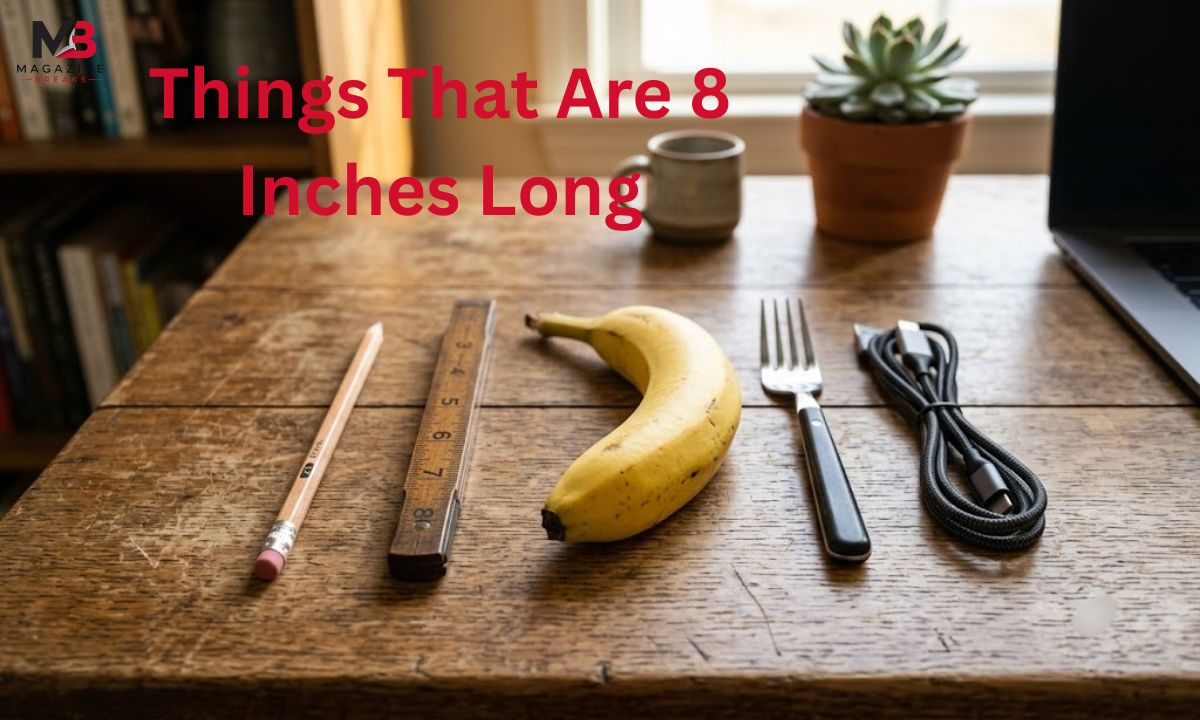
13 Common Things That Are 8 Inches Long
Ever stared at something and thought “how big even is that”? You are not alone. 8 inches long is one of those sizes that shows up everywhere once you start looking. It equals 20.32 cm or 203.2 mm, so if your brain runs on metric, you are covered too.
This guide gives you real-life examples of 8 inches using stuff already sitting in your house, your bag, or your desk drawer. No ruler needed. Just your eyes and a little curiosity.
Kitchen Heroes: Measuring Without a Ruler
Your kitchen is secretly full of ruler alternatives. A basic chef knife length runs close to 8 inches, which makes it a solid go to for kitchen measuring guide moments when you need a quick size check.
Grab a medium banana length too. Most run between 7 and 8 inches, so it works as a fun, edible measuring stick. Two popsicle sticks lined up end to end also land near 8 inches, which is handy for DIY measuring tricks when your tape measure has vanished into the junk drawer again.
Office & Study Life: When Your Desk is a Measuring Playground
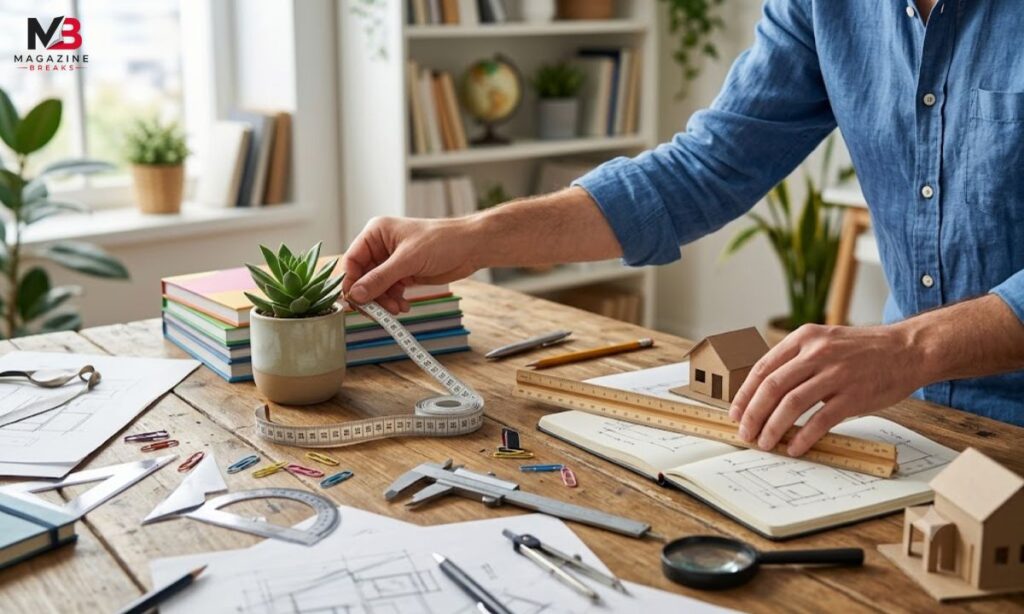
Look down at your desk right now. There is a good chance something on it is close to 8 inch measurement territory. A standard pencil length sits around 7.5 to 8 inches before you sharpen it down to a stub.
Small notebooks and mouse pads often land in that same range too, giving you office supplies measurement options without buying a single new gadget. Even school supplies size references, like a ruler itself before it gets worn down at the edges, can hover close to 8 inches on the short side.
Sports Gear: Measuring in Motion
Sports equipment does double duty as a sneaky measurement reference object. A baseball bat grip section usually measures close to 8 inches, which is handy if you are comparing hand placement for a swing.
Small hockey stick blades often measure around 8 inches too, and coaches use this kind of object length comparison all the time when fitting gear to kids versus adults. Tennis racket handles can land in a similar zone, giving you yet another practical size reference hiding in your gym bag.
How Big is Eight Inches
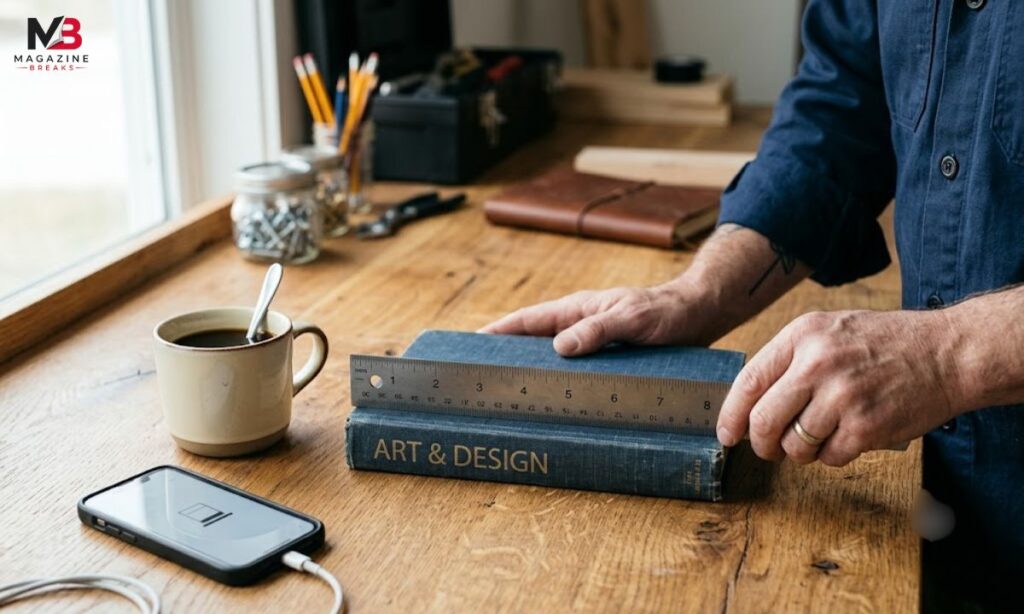
Picture a standard sheet of paper, then picture it folded in half the short way. That gap is roughly 8 inches, give or take. You can also think of it as two credit cards laid end to end, or about the width of a small dinner plate.
These little mental pictures make it easier to visualize 8 inches than just reading a plain number off a page.
Household Measuring Tools: Coins, Hands, and Cans
Coins and cans are underrated everyday measuring tools. A row of coins lined up, roughly eight standard sized ones, gets you close to 8 inches, though exact coin sizes vary a bit by country.
Three soda cans placed end to end land near that same mark. These household objects for measuring tricks work great when you are hanging a picture frame or checking if a box will fit on a shelf.
Everyday Body Part References: Hands, Palms, Fingers
Your own body doubles as a built in tool for body measurement reference checks. A hand span measurement, from thumb tip to pinky tip on a stretched adult hand, often lands close to 7.5 to 8 inches.
Two average palms placed side by side give a similar palm width comparison result. This trick has been used for centuries by builders, tailors, and cooks who did not have a tape measure handy.
How Long is Eight Inches

Think of your forearm from your wrist to about halfway to your elbow. That distance on most adults gets pretty close to 8 inches. Another easy trick is picturing a smartphone standing upright plus a little extra on top.
Simple length comparison chart style thinking like this beats memorizing plain numbers any day of the week.
Fun Comparisons: How Random Things Measure Up
This is where 8 inch size comparison gets genuinely fun. A pencil and a banana sit almost neck and neck in length, which feels a little ridiculous when you say it out loud.
Stack up popsicle sticks, soda cans, and coins and they all cluster around that same 8 inch mark. It is like these random items that measure 8 inches made a secret pact without telling anyone.
Creative Uses in Crafting and DIY
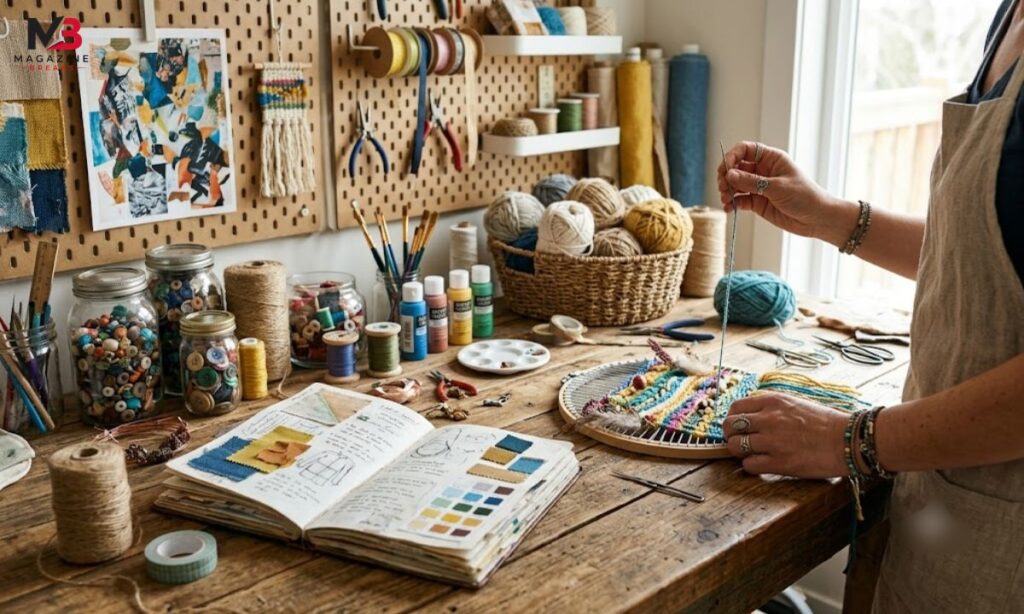
Once you know you go to objects measuring 8 inches, crafting gets easier. Use a pencil or popsicle sticks as backup mini rulers for small projects like scrapbooking or model building.
A banana works surprisingly well as a rough guide for curved shapes if you are sketching something organic. These crafting measurements shortcuts save you a trip to grab an actual ruler every five minutes.
Intuitive Size Guessing: Becoming a Human Ruler
Size estimation is basically a skill you can train. Start small. Guess the length of your phone charger, then check it against a pencil, or try guessing your shoe length compared to two stacked soda cans.
This kind of practice builds real intuitive measuring methods that stick with you long after you put the ruler away.
Cultural and Traditional Measurements
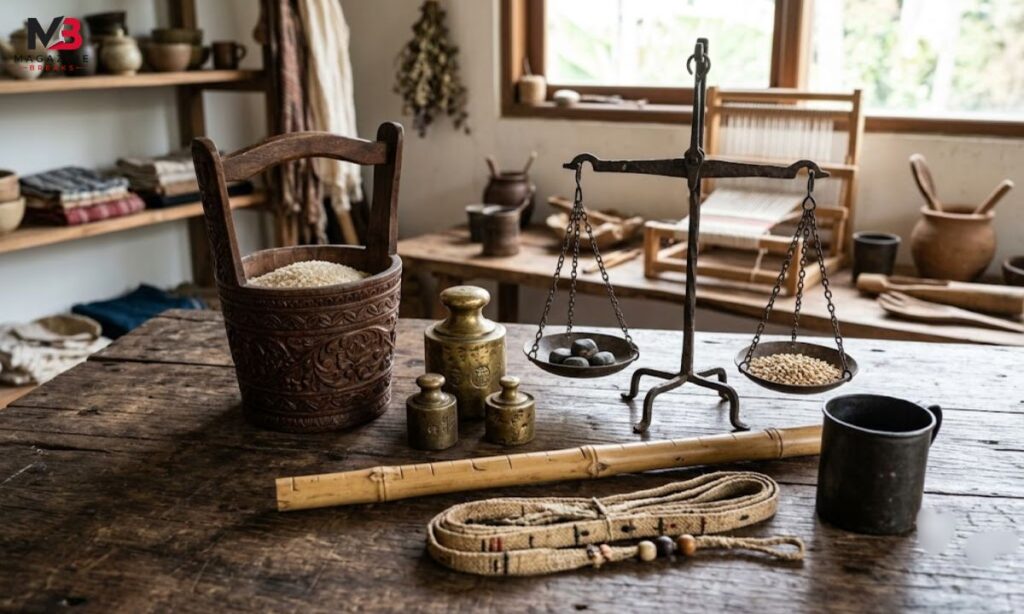
Long before rulers were common, people measured using what they had on hand, literally. Hand spans, forearm lengths, and even foot lengths were standard units in many cultures across history.
Traders and builders in different regions used these measurement reference objects to keep things consistent long before standardized rulers existed. It is a good reminder that common size references are not new. Humans have been eyeballing distances forever.
Why 8 Inches Feels So Familiar
So many everyday things cluster around this length that it almost feels designed on purpose. Pencils, bananas, knife blades, and hand spans all sit in a comfortable, gripable, usable size range.
That is not a coincidence. Tools and food shaped by human hands tend to match human hand and grip sizes, so once you notice this pattern, familiar object sizes start popping up everywhere you look.
Conclusion
You do not need a fancy tape measure to understand size. Pencils, bananas, coins, and your own two hands can all step in as everyday size guide tools whenever you need a quick check.
Next time someone asks how long 8 inches is, skip the confusing explanation. Just hold up a pencil, a banana, or two palms side by side and let them see it for themselves. Got a favorite everyday item you use to measure things? Drop it in the comments and let’s compare notes.

Jack is the creator and author behind Measuremently, a platform focused on measurements, dimensions, and size comparisons. Passionate about making measurements easy to understand, Jack shares practical measurement guides, easy-to-follow comparison articles, and educational content to help readers visualize lengths, weights, heights, and distances with confidence.