
16 Common Things That Are 3 Inches Long
Things that are 3 inches long are all around you right now, from a sticky note to a bank card to even your own thumb.
This guide gives you real everyday objects, real numbers, and a few laughs along the way so you can picture this size without ever grabbing a ruler.
Everyday Measurement Benchmarks: Understanding 3 Inches
Three inches equals 7.62 cm or 76.2 mm, and that alone is the short answer most people are searching for. It is also roughly the length of an adult thumb, which makes it one of the easiest visual measurement tools you already own without needing anything extra.
Next time you need a quick object length check, skip the ruler hunt and just glance at your thumb to get a solid estimate on the spot.
Small Office & School Supplies as Visual Length References
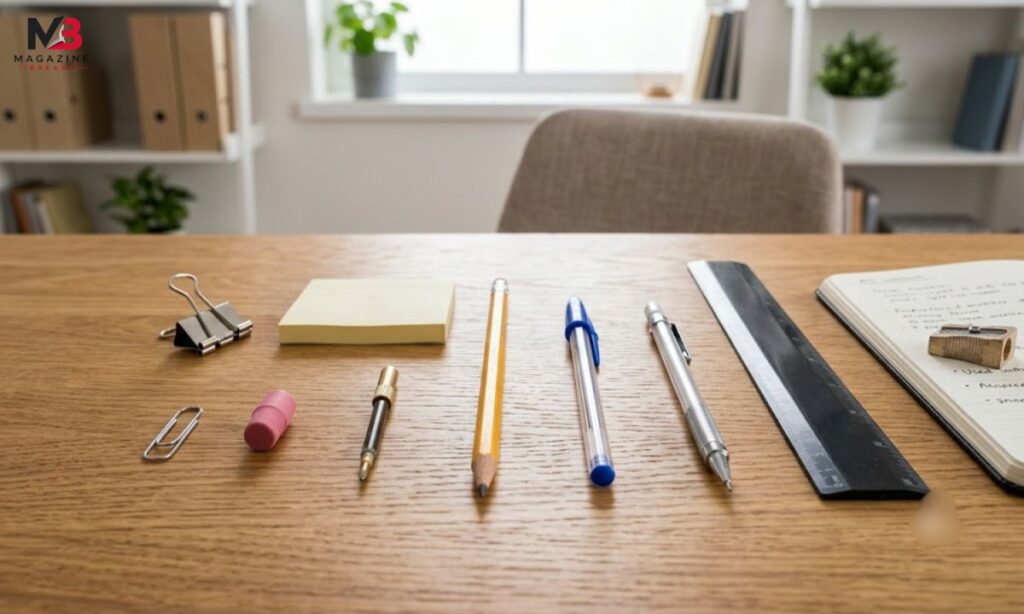
Your desk drawer is basically a tiny measuring kit, since most office supplies hover right around the 3 inch mark without you ever noticing. A standard sticky note measures 3 by 3 inches, so grabbing one gives you an instant dimension reference for comparing anything small nearby.
A single paper clip measurement comes in around 1.3 inches, so laying two clips end to end gets you close to 3 inches, which is handy for measuring without a ruler when you are stuck at your desk.
Household Items That Hit the 3-Inch Sweet Spot
Walk into your kitchen or bathroom and you will spot more household items sitting at this size than you would expect at first glance. A lipstick tube length usually runs between 3 and 3.5 inches with the cap on, making it a great portable measurement trick when you are out shopping and need a fast estimate.
A common iron nail length used in home repairs is exactly 3 inches, and builders picked that size because it is strong enough to hold without being bulky or wasteful.
3 Inches Example
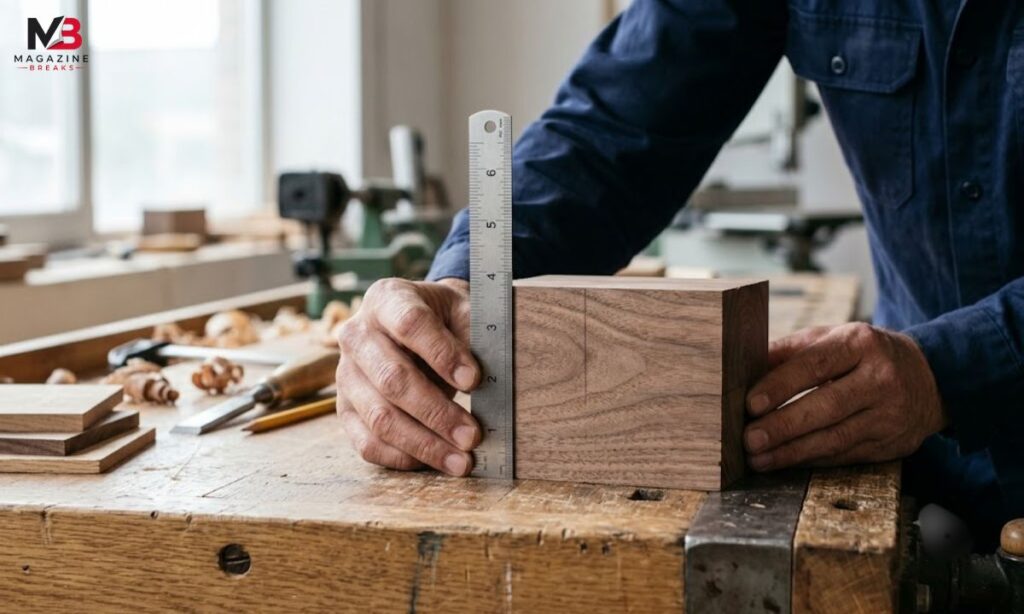
Sometimes you just want a clear picture in your head instead of a lecture full of numbers, so here is a quick one to keep handy.
Line up a credit card width on its short side and add just a little extra, and you are basically looking at 3 inches, which makes for a solid size comparison cheat sheet. You can also picture three US quarter stack coins placed side by side across their width, since that row lands close to the 3 inch mark as well.
How Long Is 3.5 Inches
A half inch might sound small on paper, but it actually changes the picture more than you would think, shifting you from sticky note territory into business card territory. A standard business card measures 3.5 by 2 inches, and that extra half inch is really the difference between a small note and a card you would confidently hand someone at a meeting.
Two stacked AAA battery size cells also land close to 3.5 inches, which shows how a small jump in size can still make a noticeable difference in how something feels in your hand.
Sports Equipment and Compact Everyday Tools
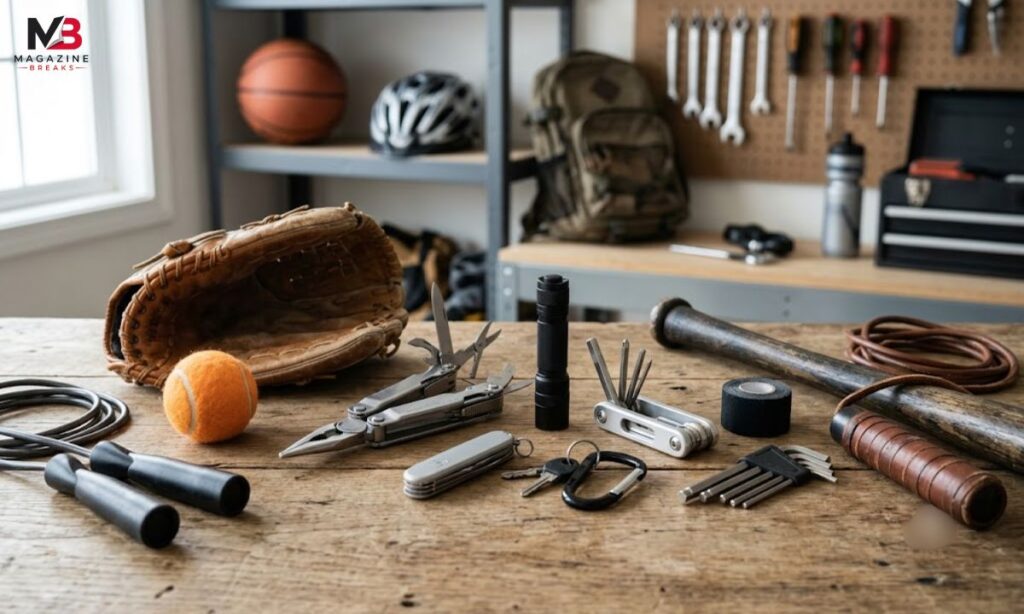
Sports gear gives us some of the most relatable length comparison examples out there, since most people already have a mental picture of these objects. A baseball diameter runs between 2.86 and 2.94 inches, just a hair under 3 inches, making it close enough to use as a stand in when you need a fast comparison.
A tennis ball diameter is a bit smaller, sitting around 2.6 to 2.7 inches, which still works fine for compact objects comparisons as long as you remember it falls a touch short of the full 3 inch mark.
Technology Meets Tiny Dimensions
Even your gadgets play along with this measurement reference game more than most people realize. Many modern smartphones measure close to 2.8 inches across the body, just shy of 3 inches, so laying your phone flat next to something gives you a rough visual size guide without opening a single app.
A bank card tucked in your wallet also works great here since its length runs just a touch over the 3 inch mark.
Visualizing Length with Finger Phalanges

Your own hand is honestly the most underrated measuring tool you carry with you everywhere you go. Your index finger length typically comes in around 3 inches for most adults, so curling it next to any small object gives you an instant estimate on the spot.
Your thumb length runs a bit shorter, usually between 2.5 and 3 inches, and between the two you can eyeball almost anything without breaking your stride.
Office Hacks: Small Object Length in Practice
Here is where DIY measurement actually gets fun instead of feeling like a chore. Folding a sticky note in half turns a 3 inch tool into a 1.5 inch one, which works great for smaller school supplies projects or quick sketches when you need something more compact.
Keeping a spare bank card in your bag also gives you a measuring tools backup for those moments when you are nowhere near an actual tape measure.
Fun with Coins and Stacked Objects
Coins are more useful than just spare change sitting in a jar at the bottom of your bag. Lining up three US quarter stack coins side by side gets you close to that 3 inch object dimensions target, and kids genuinely enjoy this trick when they are working through homework.
Bottle caps work in a similar way, since lining up a couple side by side helps build a rough but useful estimate measurements habit over time.
Compact Everyday Items as Design Tools
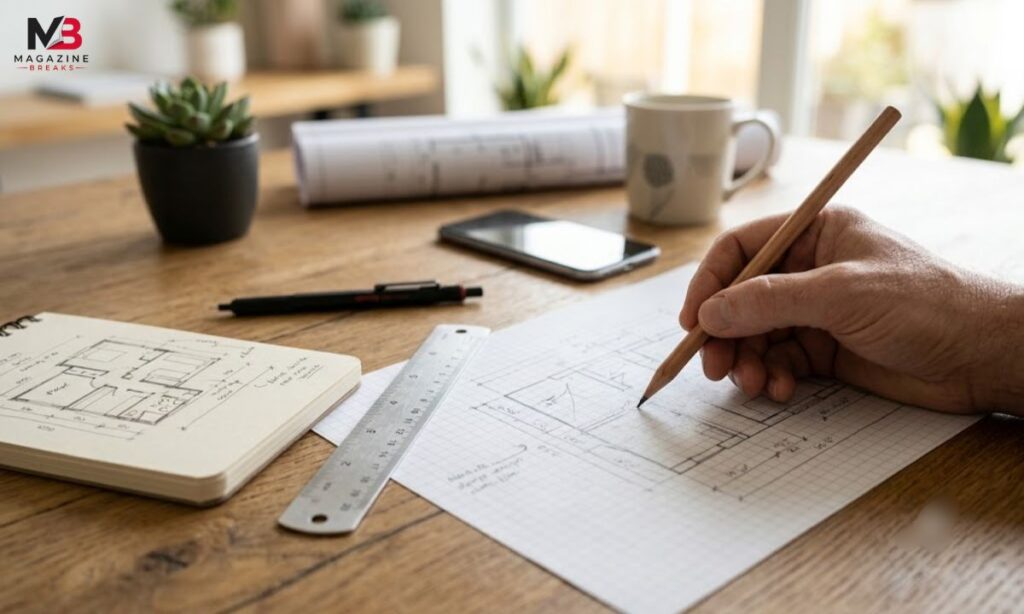
Designers lean on these small objects more than most people would ever guess. A stack of bank cards or a simple row of coins often becomes an informal design reference when someone is sketching furniture layouts or packaging ideas on the fly.
It is quick, it costs nothing, and it beats digging around for a proper ruler in the middle of a meeting.
Household Objects for Engineering Reference
Builders and hobbyists use these same tiny benchmarks constantly while working on real projects. That 3 inch iron nail length mentioned earlier is a genuine engineering reference point used across framing and carpentry work every single day.
Twist ties from bread bags run close to 3 inches too, and they come in handy for bundling wires or cords around the house without needing anything fancy.
Comparing Imperial and Metric Systems with Tiny Objects
Numbers feel a lot more real once you attach them to something you can actually hold in your hand. Three inches converts to 7.62 cm or 76.2 mm exactly, which covers your full metric conversion in one simple line.
Teaching kids inches to centimeters becomes far easier once you hand them a sticky note and a stack of quarters instead of just numbers written on a page.
Practical Design Applications of 3 Inches
This size shows up in real projects far more often than most people expect. Small craft projects, phone cases, and compact packaging all lean on the 3 inch range as a sweet spot between too tiny and too bulky to handle comfortably.
Office organizing tools, index cards, and small storage bins also frequently land in this same size comparison zone across countless everyday products.
Mini Stories and Cultural Tidbits
Small sizes carry meaning in places you might not expect at first. In many gift wrapping traditions, small envelopes and boxes are kept compact on purpose, often landing near this size range for easier handling and mailing.
Coin stacking games, similar to the quarter trick mentioned earlier, have been a simple teaching tool for kids learning basic math for generations.
Conclusion
Three inches is smaller than a ruler but bigger than you would think once you start spotting it everywhere around you. From a sticky note to a bank card to your own thumb, these real-life size examples turn a boring number into something you can actually picture in everyday life.
Next time you need a fast dimension estimation, skip the search for a ruler and just look around your desk, your wallet, or even your own hand instead.

Jack is the creator and author behind Measuremently, a platform focused on measurements, dimensions, and size comparisons. Passionate about making measurements easy to understand, Jack shares practical measurement guides, easy-to-follow comparison articles, and educational content to help readers visualize lengths, weights, heights, and distances with confidence.