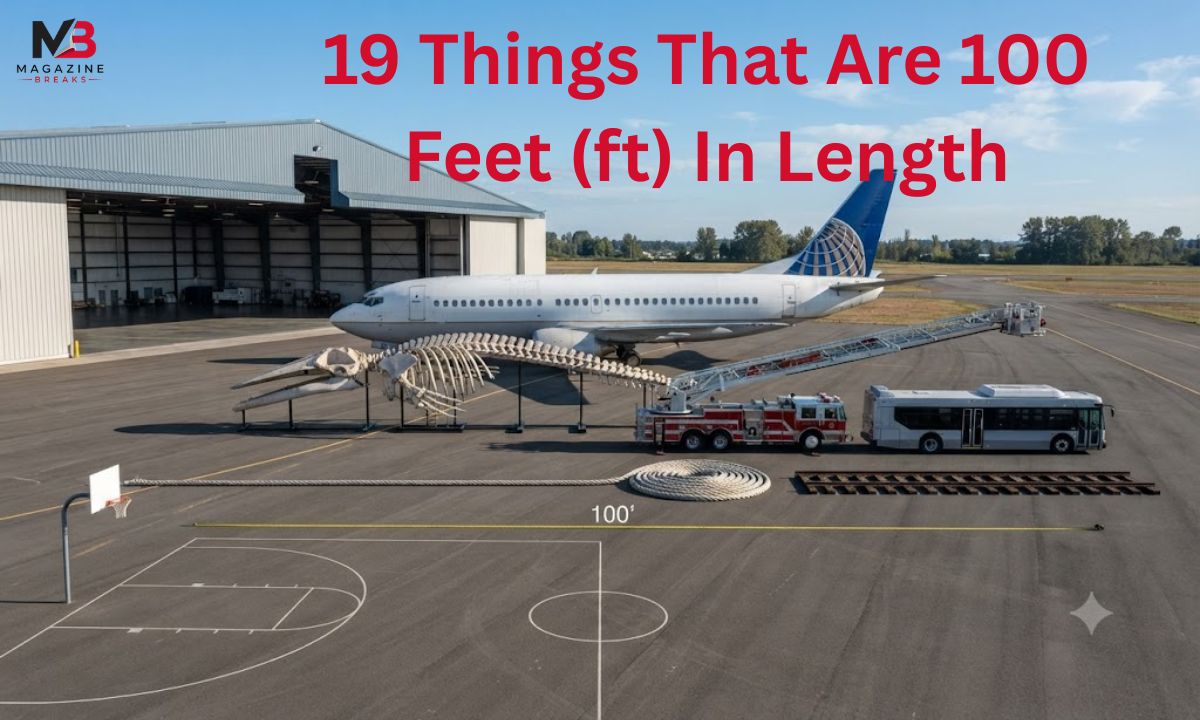
19 Things That Are 100 Feet (ft) In Length
Ever tried picturing 100 feet and just drawn a blank? You are not alone. Quick answer: 100 feet is about a 10 story building, one third of a football field, or two school buses parked end to end. That is 100 feet in length in plain words, no math degree needed.
This measurement guide breaks down 19 real things that hit that exact mark, plus how long it takes to walk it.
What Measures 100 Feet in Length?
Feet are an old school imperial measurement, and numbers alone barely mean anything. Say “100 feet” and people just nod. Show them a bus, a whale, or a building, and it clicks fast.
Here is the feet to meters and measurement conversion cheat sheet you will want handy.
| Unit | Equivalent |
| Meters | 30.48 meters |
| Yards | 33.33 yards |
| Kilometers | 0.03 km |
| Inches | 1,200 inches |
| Centimeters | 3,048 cm |
| Millimeters | 30,480 mm |
Keep this table close, we will use it as we go through every 100 ft example below.
What Measures 100 Feet in Length? Real Objects You Know
Now the fun part, the actual things that are 100 feet long. Some are everyday stuff, some are giant animals, a couple might surprise you. This list covers objects that are 100 feet long from your street to the ocean.
1. A 10 Story Building

Most office floors run about 10 feet tall. Stack ten and you get a 10 story building right at 100 feet.
2. One Third of a Football Field

A football field length end zone to end zone is 300 feet. Split it into three chunks and each chunk is exactly 100 feet.
3. Two School Buses Parked End to End
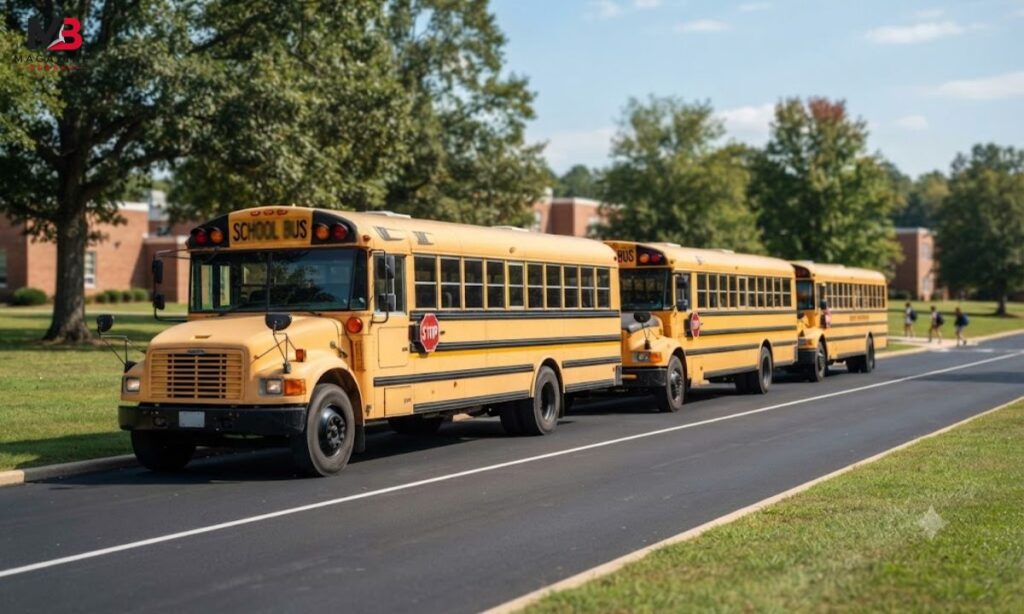
A regular school bus length runs 45 to 50 feet. Park two nose to tail and you land right around 100 feet.
4. A Large Oak Tree

A healthy large oak tree can stretch 80 to 100 feet tall. These trees often outlive every house on the block.
5. A Blue Whale

The blue whale length can reach 100 feet, the biggest animal alive today. That is roughly two school buses parked nose to tail.
6. The Boeing 737-500

The Boeing 737-500 runs close to 101 feet nose to tail. It is one of the shorter jets in the 737 family, built for quick regional hops.
7. 20x The Heart of a Blue Whale

A whale heart size is roughly 5 feet across, about the size of a small car. Line up twenty of these hearts and you hit the full 100 feet.
8. Alligators
Full grown alligator length runs close to 10 feet. Line up ten alligators and you have covered 100 feet of pure reptile.
9. 10x Kayaks
Standard kayak dimensions put most recreational kayaks at about 10 feet. Line up ten side by side and you hit 100 feet.
10. The Eastern Cottonwood Tree
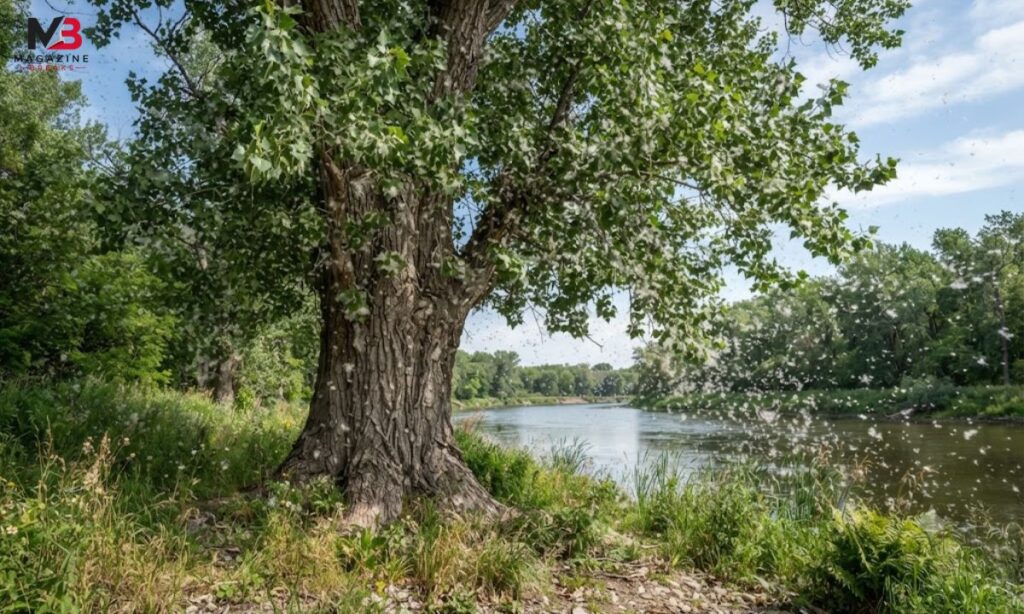
The Eastern Cottonwood tree is a fast grower that reaches 100 feet tall. It shoots up quicker than most trees and shelters birds fast.
11. A Small Rope Bridge or Zipline
Adventure park zipline length runs often land between 80 and 120 feet, with 100 being common. A small rope bridge across a river tends to land in that same range.
12. A Hockey Rink Width
International hockey rink width is set at 100 feet, though NHL rinks run narrower at 85 feet. That extra room gives skaters more space to work with.
13. A Basketball Court

A regulation basketball court dimensions chart lists the court at 94 feet long. Add the space behind each baseline and you land close to 100 feet overall.
14. 10 Basketball Hoops
Every basketball hoop height is fixed at exactly 10 feet. Stack ten hoops on top of each other and you reach 100 feet in the air.
15. Twice The Hollywood Sign
The famous Hollywood Sign height stands at about 45 feet tall. Double that and you land right around 90 feet, close to our mark.
16. Two Thirds of an Olympic Swimming Pool

An Olympic swimming pool runs 50 meters, about 164 feet long. Two thirds of that pool works out to roughly 109 feet, close enough to our target.
17. Two Semi-Trailers
A single semi-trailer length runs about 48 to 53 feet. Park two side by side and you are looking at close to 100 feet.
18. One and a Half Cricket Pitches
A regulation cricket pitch length measures exactly 66 feet between the wickets. One and a half pitches gets you to 99 feet, basically dead on.
19. One and Two Thirds of a Bowling Lane
A bowling lane length from the foul line to the head pin is 60 feet. Add another two thirds of a lane and you land right at 100 feet.
How Long Does It Take to Walk 100 Feet?
Walking 100 feet takes about 20 to 25 seconds at a normal pace, roughly the length of a parking lot lane.
Here is the breakdown by average walking speed.
- Slow walk (2 mph): about 34 seconds
- Average walk (3 mph): about 23 seconds
- Brisk walk (3.5 mph): about 20 seconds
- Fast walk (4 mph): about 17 seconds
- Very fast walk (5 mph): about 14 seconds
Why Do We Still Use the Foot as a Unit?
The foot has been around since ancient times, tied loosely to the length of an actual human foot. That human connection is why it still works so well in construction measurements and everyday life.
Builders lean on feet because it lines up with architectural measurements and how people move through spaces. Athletes use it too, since sports field dimensions in football, cricket, and hockey are all built around foot based numbers.
Wrapping It Up
100 feet stops being just a number once you connect it to things you already know, like buses, whales, and bowling lanes. This size comparison turns an abstract measurement into something you can actually picture.
Got a favorite comparison we missed? Drop it in the comments and share this with a friend who loves random facts as much as you do.

Jack is the creator and author behind Measuremently, a platform focused on measurements, dimensions, and size comparisons. Passionate about making measurements easy to understand, Jack shares practical measurement guides, easy-to-follow comparison articles, and educational content to help readers visualize lengths, weights, heights, and distances with confidence.