
10 Things That Are 300 Feet Long Or Big
300 feet is a huge distance and most of us never stop to picture it. It equals about 91 meters, 100 yards, or roughly 0.057 miles.
Once you line it up against real things like whales, buildings, and yachts, it suddenly makes sense. This guide breaks down 300 feet into fun, real life comparisons so you can actually picture it.
How Long Is 300 Feet?
Here is the quick answer before anything else. 300 feet equals 91.44 meters in the metric system, 100 yards, and about 3,600 inches. In feet to kilometers conversion, it comes out to 0.091 km, which is small on a map but huge when you are standing in it.
If you want a measurement guide you can actually use, here is the full breakdown.
| Unit | Value |
| Meters | 91.44 m |
| Yards | 100 yd |
| Kilometers | 0.091 km |
| Miles | 0.057 miles |
| Inches | 3,600 in |
| Centimeters | 9,144 cm |
| Millimeters | 91,440 mm |
These feet to meters conversion numbers come straight from standard imperial measurement to metric conversion charts, so you can trust the math.
What Does 300 Feet Look Like? Objects Big and Long
Picturing 300 ft examples in your head is tough because most of us never measure anything that big. The easiest trick is to compare it to things you already know, like a sports field or a tall tree. Below are ten solid things that are 300 feet long or tall, pulled from sports, nature, and engineering.
Think of this as your visual measurement guide for one of the trickiest distances to imagine.
1. A Football Field

A lot of people assume a football field is exactly 300 feet, but that is not quite right. The playing field itself, goal line to goal line, is 300 feet, which is 100 yards. Once you add both end zones, the full field with football field length included stretches to 360 feet.
So next time someone brings up 300 feet comparison using football, you can correct them with a smile. It is still one of the best length comparison tools because almost everyone has seen a field in person or on TV.
2. The Height of a 30-Story Building

Office buildings usually run about 10 feet per floor, so a 30-story tower lands right around 300 feet tall. Picture your city’s mid-sized office block, not the record breaking skyscraper, and you have got the right image. It is one of the easiest height comparison examples because most towns have at least one building this tall.
Next time you walk past a building like this, count the floors and you will feel how big 300 feet really is.
3. Giant Sequoia Trees
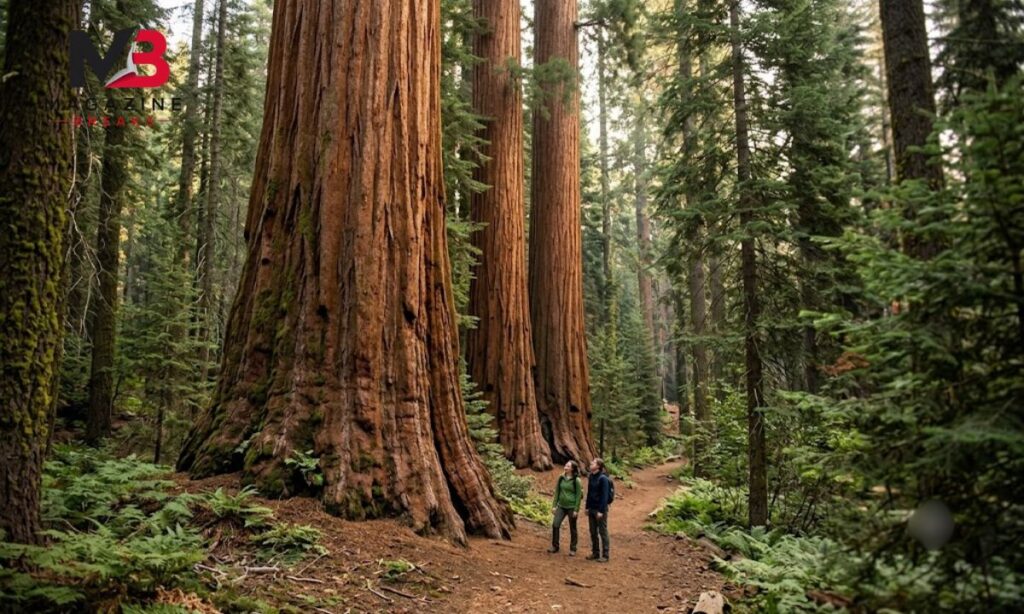
Sequoias are some of the biggest living things on Earth, and many reach close to 275 feet, with some pushing near 300. Their close cousins, coast redwoods, are the ones that regularly beat 300 feet in height. Either way, standing under one feels like standing next to a living skyscraper made of bark and time.
These trees can live for thousands of years, which makes them one of the coolest natural landmarks on this list.
4. Large Ferris Wheels

Some of the biggest Ferris wheels in the world have a diameter close to 300 feet. That means one full ride takes you as high as a 30-story building before bringing you back down. Wheels like this need serious steel supports because of the wind and weight they carry.
It is a fun amusement ride height comparison since you can literally feel 300 feet as you go around.
5. Suspension Bridge Span Sections

Big suspension bridges get built in giant steel sections, and many single sections run 250 to 300 feet long. Cranes lift these massive pieces high above rivers or roads before crews bolt them into place. Each section has to handle traffic weight, wind, and years of stress without cracking.
This is one of the more impressive engineering structures on the list because you rarely think about how a bridge gets built piece by piece.
6. Blue Whales in a Line (3 Whales = 300 Feet)
Blue whales are the largest animals ever known to exist, and most adults measure around 80 to 90 feet long. Line up about three of them nose to tail and you get close to 300 feet. This blue whale length comparison shows just how massive these creatures really are compared to anything on land.
It is one of the most jaw dropping size comparison examples because nothing on land even comes close.
7. Mega Yachts

Luxury mega yachts often run between 280 and 300 feet long, basically floating mansions on water. They pack in multiple decks, pools, movie rooms, and private suites that most hotels would envy. Only the seriously wealthy own boats at this mega yacht size, but it is fun to imagine cruising one.
If you ever see one docked at a marina, you will instantly understand why 300 feet feels massive on water.
8. Wind Turbine Towers

Modern wind turbine towers alone, before you even add the blades, can reach 260 to 300 feet tall. Add the spinning blades and the whole structure stretches even higher into the sky. This wind turbine height helps them catch stronger wind higher up, which means more clean energy for nearby homes.
Next time you drive past a wind farm, remember each tower alone is basically a 300 foot giant.
9. Volcano Lava Tubes
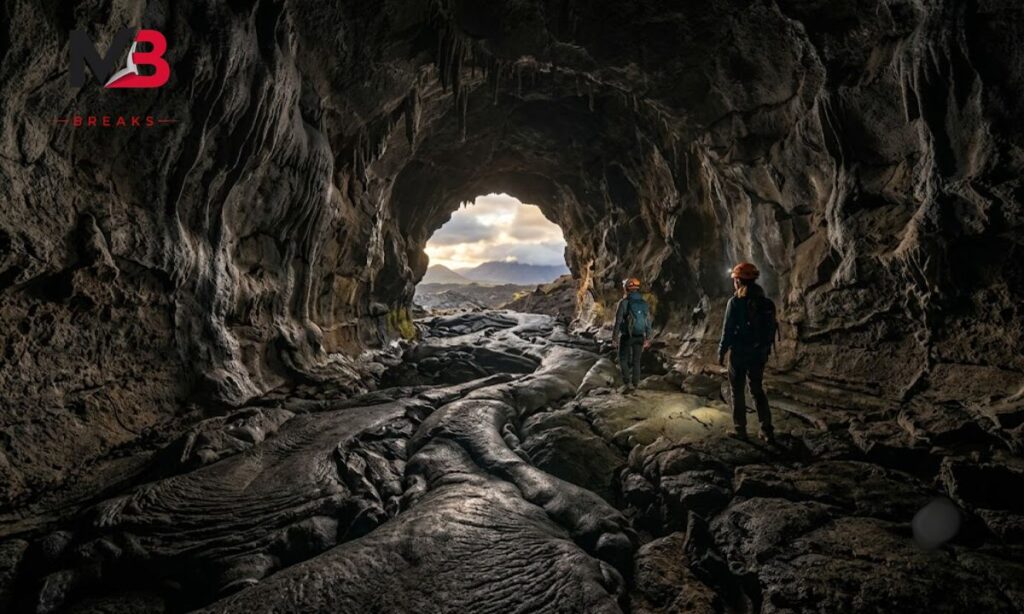
Lava tubes form when the outside of flowing lava cools and hardens while lava keeps moving inside. Some of these natural tunnels stretch close to 300 feet long, and you can actually walk through many of them today. It feels like walking through a dark, curved hallway carved by fire instead of tools.
These natural formations carry volcanic history inside their walls, making them one of nature’s coolest hidden structures.
10. How Far Is 300 Feet Visually

If none of the examples above click for you, try this instead. 300 feet is about the same as standing at one end of a soccer pitch and looking to the far end. It is also close to the length of ten city buses parked bumper to bumper in a row.
This kind of distance visualization trick works well because buses and parking lots are things almost everyone has seen up close.
How Long Does It Take To Walk 300 Feet?
Walking 300 feet is quicker than most people guess. At an average walking speed of 3 mph, it takes about 68 seconds to cover the full distance.
| Walking Speed | Time to Walk 300 ft |
| 2 mph, slow walk | About 103 seconds |
| 3 mph, average walk | About 68 seconds |
| 3.5 mph, brisk walk | About 59 seconds |
| 4 mph, fast walk | About 51 seconds |
| 5 mph, very fast walk | About 41 seconds |
So next time someone says “it’s just 300 feet away,” you now know that means about a minute of walking.
Understanding The Foot As A Unit
The foot has been around since ancient Rome, where builders used it for roads, homes, and public spaces. It stuck around in US customary units because it is simple to picture, roughly the length of an adult shoe. Even today, construction workers, athletes, and everyday folks lean on feet because it just feels natural to use.
That long history is part of why the imperial measurement system refuses to disappear in places like the United States.
Metric vs Imperial Systems
The metric system runs on tens, which makes metric conversion quick and painless for most calculations. Meanwhile, countries like the US stick with feet, yards, and miles mostly out of tradition, not logic.
Common metric units for length include kilometers, meters, and centimeters. Common imperial units include inches, feet, yards, and miles, and switching between the two systems is where most people get tripped up.
Conclusion
300 feet shows up in more places than most people realize, from football fields to whales to wind turbines. Once you attach it to something real, like three blue whales or a 30-story building, the number finally clicks.
Hopefully these real life examples of 300 feet made the distance easier to picture and a little more fun to think about.

Jack is the creator and author behind Measuremently, a platform focused on measurements, dimensions, and size comparisons. Passionate about making measurements easy to understand, Jack shares practical measurement guides, easy-to-follow comparison articles, and educational content to help readers visualize lengths, weights, heights, and distances with confidence.